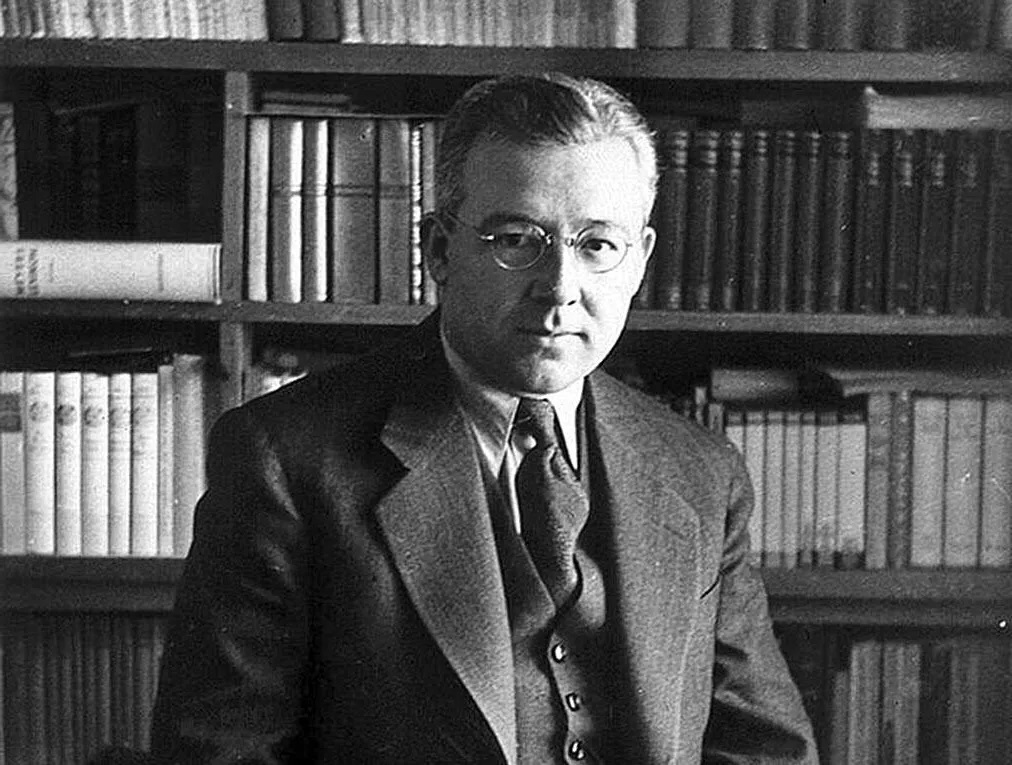
We present this work in honor of the poet’s 105th birthday.
Takis Sinopoulos
Greek
1917 – 1981
Come with me tonight, I’ll embrace you with my leaves and with my clouds. I’ll wrap you round in countless metamorphoses and voices, until merely your white bones remain in the moon’s foam.
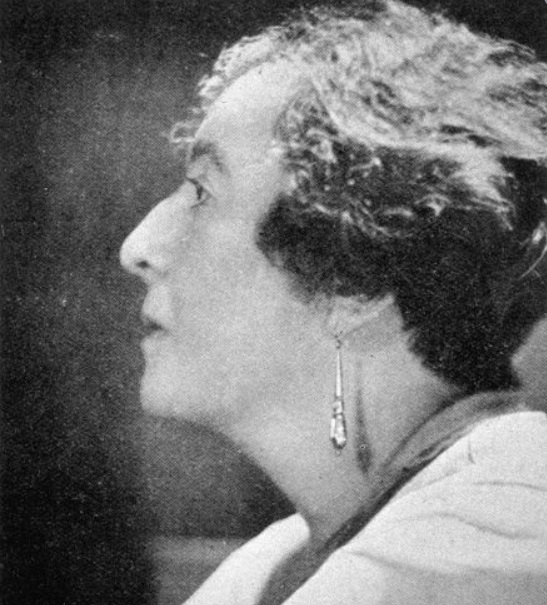
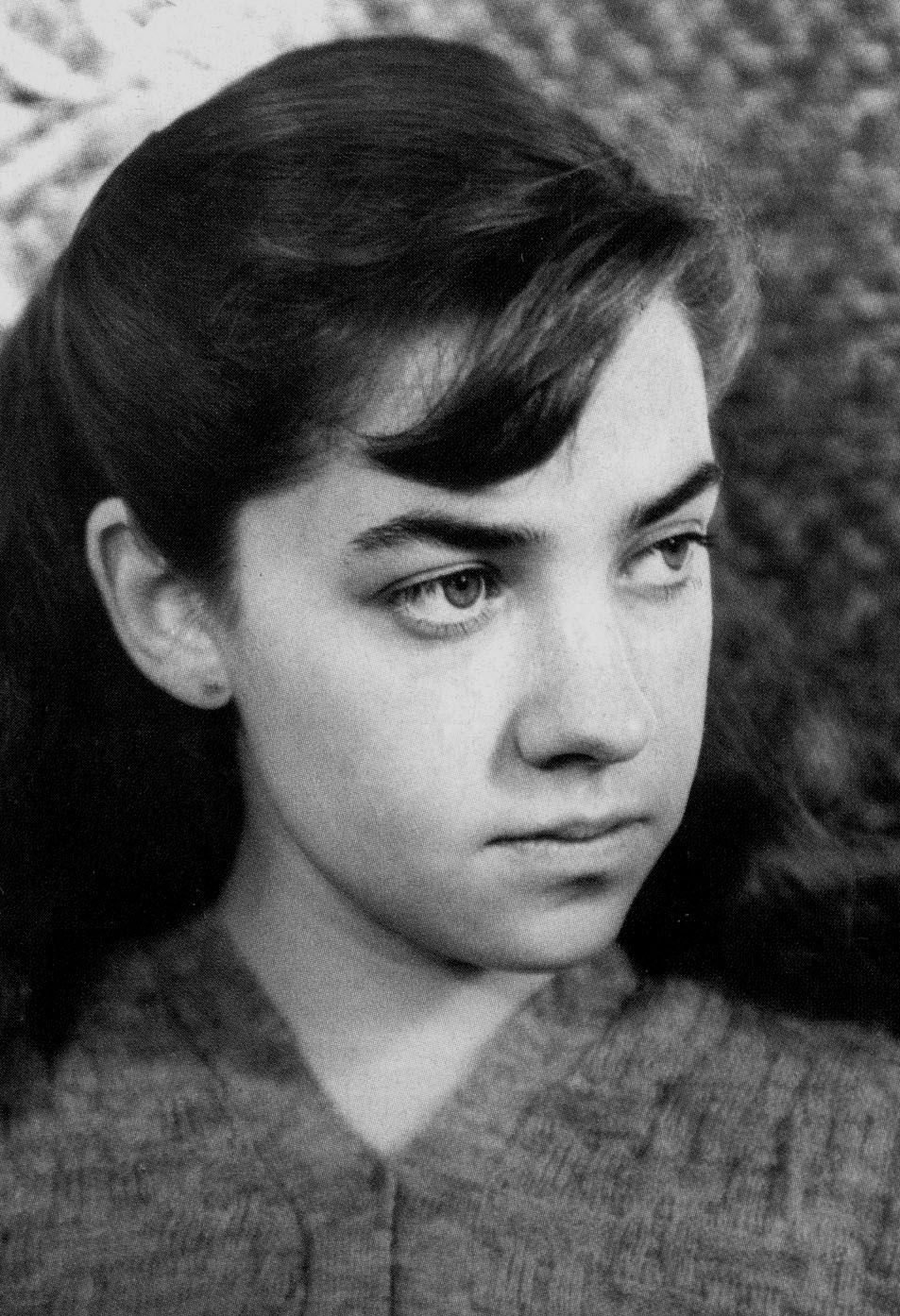
We present this work in honor of the poet’s 115th birthday.
Parvin E’tesami Persian 1907 – 1941
From every street and roof rose joyous shouts; The king that day was passing through the town An orphan boy amidst this speaks his doubts, What is that sparkle that’s atop his crown?
Someone replied : that’s not for us to know, But it’s a priceless thing, that’s clear! A crone approached, her twisted back bent low, She said: that’s your heart’s blood and my eye’s tear!
We were deceived by shepherd’s staff and robe He is a wolf; for many years he’s known the flock. The saint who craves control is but a rogue A beggar is the king who robs his flock.
Upon the orphan’s tears keep fixed your gaze. ‘Til you see from where comes the jewel’s glow. How can straight talk help those of crooked ways? And frank words will to most folk deal a blow.
Christy Brown came to town riding on a wheelchair Back strapped to wheel and chair Freewheeling down all his days Into the byways in our heads Visions bursting from his pen Ink in blood, left foot in rapture Riding through Fleet Street pulp Past paper stand and paste Ploughing stairs to heaven Riding on and on and on His chariot wheels Conquering heroes in space In the time allotted for his spin. Reared in masses his childhood Playpen on concrete slabs Turned into flowing fountains In his fountain pen toes Ceasing to suffer in the kennel of his bark Spent dark years with his ears Tied to his mother’s tongue. Where are you mother? I am here, I am here Christy Growing flowers in your yard Sending fruit to the marketplace in your soul Patiently bending my breasts To feed the hunger in your mind. Dear bended lady Drawing she drew in midnight whispers The elements of verse Vocalising grammar, building his armory for battle Filling his long, sleepless, limping nights With the music of her challenge And she took a dead season from her womb And built a birth as bright as Christmas. In his schoolroom slum That buried some and crippled most The toast from her womb grew legs in her words And walked long distance to the corners of the eart Striding beyond Getsemane past the Avenue of the Sorrows Out of Golgatha into resurrection.
Christy Brown came to town riding on a donkey
Christy Brown came to town riding on a donkey Streets in palms carpeting his Sunday visit He rode barebacked the donkey of the Apocalypse Over bridges where crippled water stood still In the lame shores of our crime. He rode heaven high over tears and pity Through the attending city Where skeletons hid high in the cupboards of our complacency He rode on and on and on and on her rode On the laughter in his size Everlasting in song Storming our ears in wonder Making his face shine upon us And throwing from the seaweeds of his wisdom Iodine To heal the wounds of a waiting world.
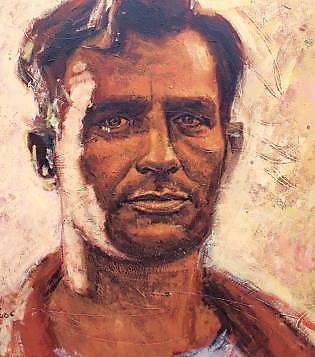
We present this work in honor of the poet’s 100th birthday.
Jack Kerouac
American
1922 – 1969
Wonder if my poem title will be acceptable. (The Absence of Courage)
I.
Courage is an interesting virtue. The only difference between courage and unrealistic hopefulness is success. Courage to me means standing up against injustice, or atleast finding the strength to do something your character or the outside world would rather you didn’t do. It’s that noble buck with big horns we admire and have the deepest of respect for, it’s that noble buck with big horns we like to shoot down and hang on our walls.
Like the tobacco in a cigarette, the only way to draw it out from the depths of your character is to embrace it and set it on fire. But don’t take more than you can handle, or you might find yourself coughing up the illogical notion, the practicality of your subconscious triumphing. Bite off just enough, enough to sustain hope, but not enough to defeat the cowardice in your soul to the point where you altogether snuff restraint and self doubt.
II.
I have seen courage in a number of places, in the sun for it’s miraculous overpowering of darkness every morning, in a woman who decides to have a child despite life threatening consequences. I’ve seen it mainly in action movies, where it exists without the natural predators of insecurity and sensibility found in the real world. I’ve seen it in the insurrection of children who decide to just say yes, I’ve seen it in the cynical gaze of withered old addicts who are trying to say no.
Courage, it’s a wonderful thing. It’s both a blessing and a curse. Embrace it and harness it, but do it in moderation, or it might get the better of your self-doubt and sensibility.
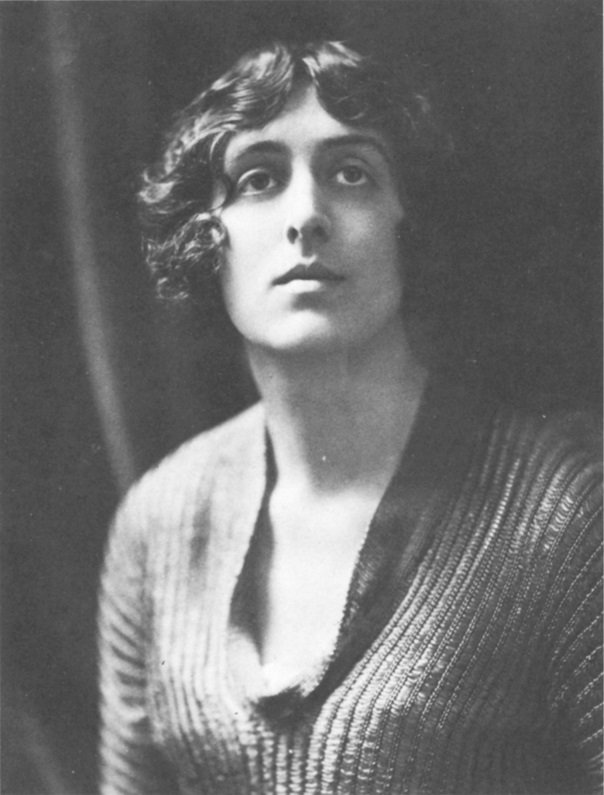
We present this work in honor of the poet’s 130th birthday.
Vita Sackville-West
English
1892 – 1962
And so it ends, We who were lovers may be friends. I have some weeks in which to steel My heart and teach myself to feel Only a sober tenderness Where once was passion’s loveliness.
I had not thought that there would come Your touch to make our music dumb, Your meeting touch upon the string That still was vibrant, still could sing When I impatiently might wait Or parted from you at the gate.
You took me weak and unprepared. I had not thought that you who shared My days, my nights, my heart, my life, Would slash me with a naked knife And gently tell me not to bleed But to accept your crazy creed.
You speak of God, but you have cut The one last thread, as you have shut The one last door that open stood To show me still the way to God. If this be God, this pain, this evil, I’d sooner change and try the Devil.
Darling, I thought of nothing mean; I thought of killing straight and clean. You’re safe; that’s gone, that wild caprice, But tell me once before I cease, Which does your Church esteem the kinder role, To kill the body or destroy the soul?
The sun’s going down behind the great shale-heap Over against the village; shadows creep Shifting from door to door, and all the bings Of Broxburn stand like tombs of Theban kings Black on the crimson, crowned by fierce blue stars.
From the fields mist is rising. Motor cars Pass swiftly through the film of gathering grey, Their drivers peering apprehensively For furtive waggons, dazzled by the bits Of sunset that still float above the pits And fall into the puddles on the road.
Beyond the hedge the ploughman has bestrode His horse, or seated edgewise lumbering rides With feet that flap against the steaming sides Of his tired beast, homeward beneath the moon, Now and then whistling snatches of a tune The harness echoes with its tinkling brass.
From time to time belated miners pass With uncouth, blackened faces, taciturn; Behind the bings the fires of sunset burn To ashes very slowly. In the north The Bear prowls softly up above the Forth In a dark gulf the wind has sucked again Out of the clouds. To-morrow we’ll have rain.
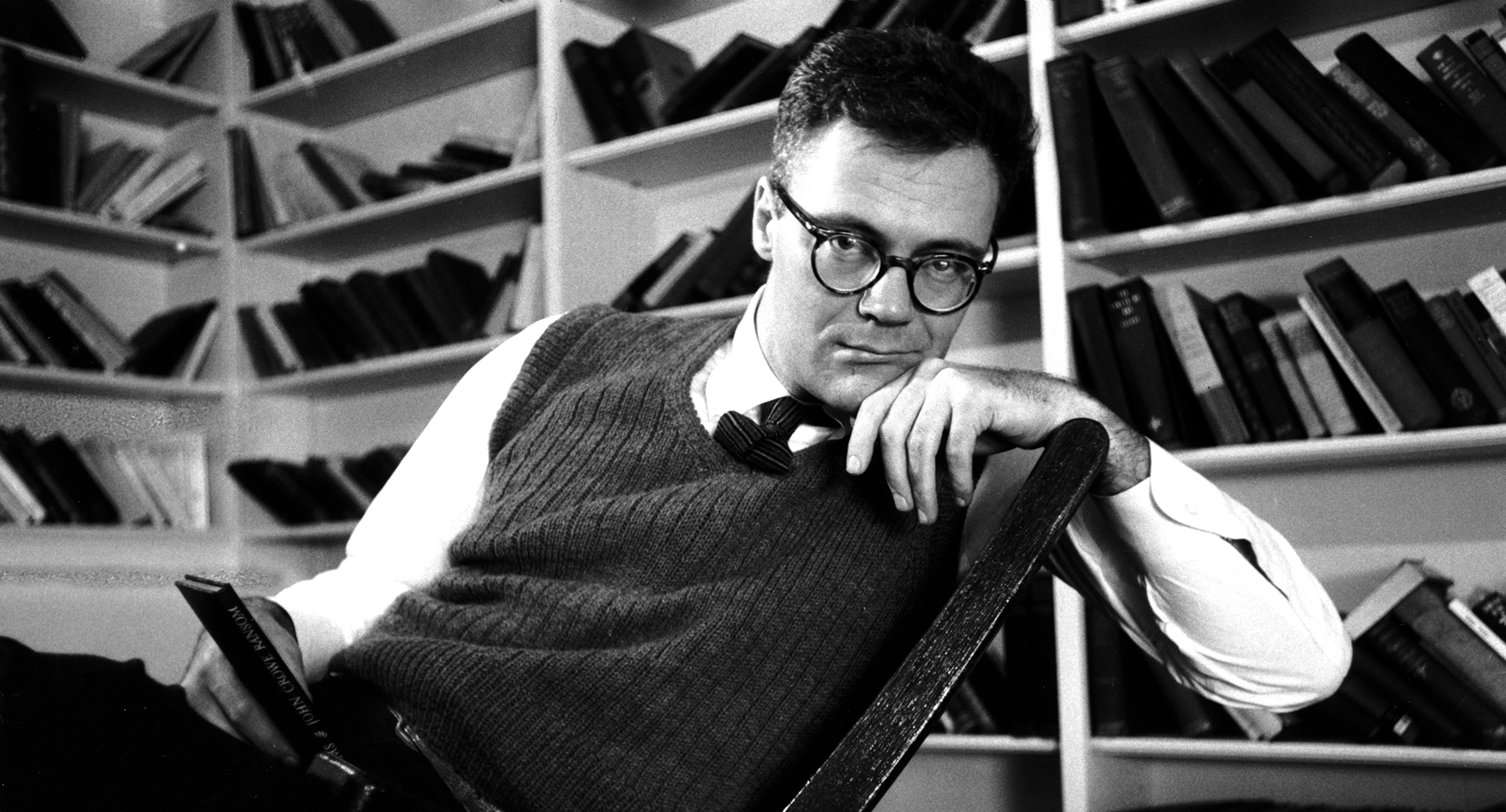
We present this work in honor of the poet’s 105th birthday.
Robert Lowell
American
1917 – 1977
My old flame, my wife! Remember our lists of birds? One morning last summer, I drove by our house in Maine. It was still on top of its hill –
Now a red ear of Indian maize was splashed on the door. Old Glory with thirteen stripes hung on a pole. The clapboard was old-red schoolhouse red.
Inside, a new landlord, a new wife, a new broom! Atlantic seaboard antique shop pewter and plunder shone in each room.
A new frontier! No running next door now to phone the sheriff for his taxi to Bath and the State Liquor Store!
No one saw your ghostly imaginary lover stare through the window and tighten the scarf at his throat.
Health to the new people, health to their flag, to their old restored house on the hill! Everything had been swept bare, furnished, garnished and aired.
Everything’s changed for the best – how quivering and fierce we were, there snowbound together, simmering like wasps in our tent of books!
Poor ghost, old love, speak with your old voice of flaming insight that kept us awake all night. In one bed and apart,
we heard the plow groaning up hill – a red light, then a blue, as it tossed off the snow to the side of the road.
A butterfly once bestowed her passion Upon a sailor – in her fashion Flitting about the hotel gate Waiting, ecstatic, to follow her mate Upon his white cap to alight Then onto his white ship, at dizzying height She flew to the vessel’s high-reaching stack At her first glimpse of ocean quite taken aback. On him she lavished all the rapture Her brief day’s span of life could capture Singing: O lovely Sailor! O Sailor, my love Our happiness lights the heavens above In the afternoon as the sun sank low From the sailor’s eyes sad tears did flow So to distract him from his sorrow She danced in the air without thought of the morrow. From the white masts she drifted away As a mighty gust interrupted her play. Into the gray sea she fell and drowned The stalwart sailor heard not a sound But all unaware a salty tear Rolled down his cheek, though he felt no fear, Marking the end of the love so true Of the butterfly and the lad in blue.


 Poets Corner