We present this work in honor of the poet’s 130th birthday.
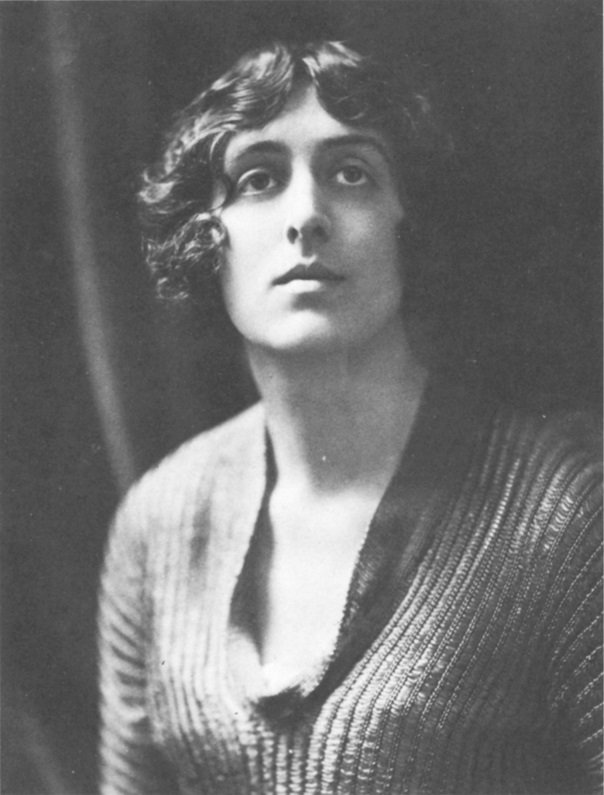
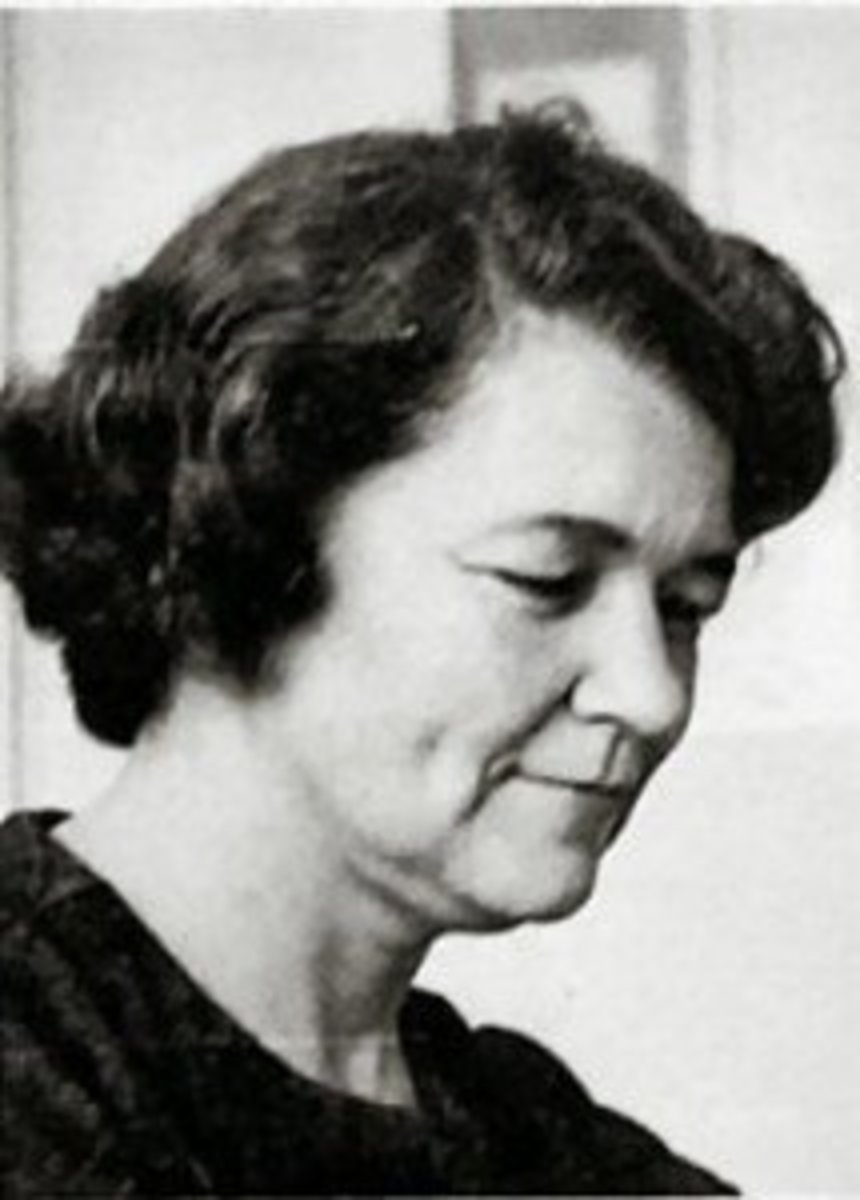
Vita Sackville-West
English
1892 – 1962
And so it ends, We who were lovers may be friends. I have some weeks in which to steel My heart and teach myself to feel Only a sober tenderness Where once was passion’s loveliness.
I had not thought that there would come Your touch to make our music dumb, Your meeting touch upon the string That still was vibrant, still could sing When I impatiently might wait Or parted from you at the gate.
You took me weak and unprepared. I had not thought that you who shared My days, my nights, my heart, my life, Would slash me with a naked knife And gently tell me not to bleed But to accept your crazy creed.
You speak of God, but you have cut The one last thread, as you have shut The one last door that open stood To show me still the way to God. If this be God, this pain, this evil, I’d sooner change and try the Devil.
Darling, I thought of nothing mean; I thought of killing straight and clean. You’re safe; that’s gone, that wild caprice, But tell me once before I cease, Which does your Church esteem the kinder role, To kill the body or destroy the soul?
We present this work in honor of the poet’s 115th birthday.
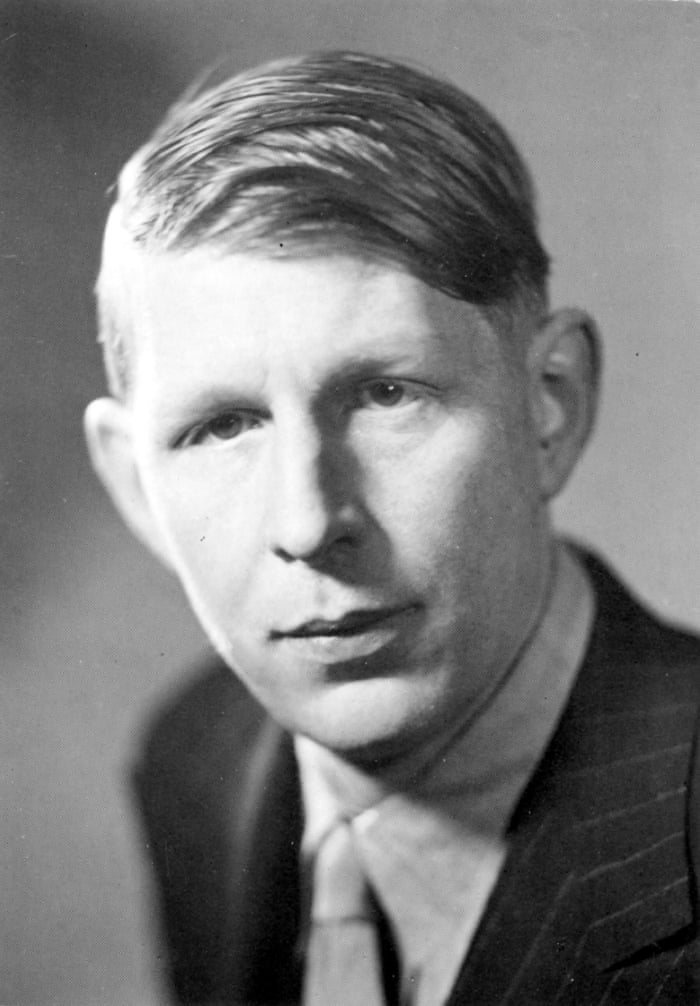
W.H. Auden
English
1907 – 1973
Lay your sleeping head, my love, Human on my faithless arm; Time and fevers burn away Individual beauty from Thoughtful children, and the grave Proves the child ephemeral: But in my arms till break of day Let the living creature lie, Mortal, guilty, but to me The entirely beautiful.
Soul and body have no bounds: To lovers as they lie upon Her tolerant enchanted slope In their ordinary swoon, Grave the vision Venus sends Of supernatural sympathy, Universal love and hope; While an abstract insight wakes Among the glaciers and the rocks The hermit’s carnal ecstasy.
Certainty, fidelity On the stroke of midnight pass Like vibrations of a bell, And fashionable madmen raise Their pedantic boring cry: Every farthing of the cost, All the dreaded cards foretell, Shall be paid, but from this night Not a whisper, not a thought, Not a kiss nor look be lost.
Beauty, midnight, vision dies: Let the winds of dawn that blow Softly round your dreaming head Such a day of welcome show Eye and knocking heart may bless, Find the mortal world enough; Noons of dryness find you fed By the involuntary powers, Nights of insult let you pass Watched by every human love.
We present this work in honor of the poet’s 190th birthday.
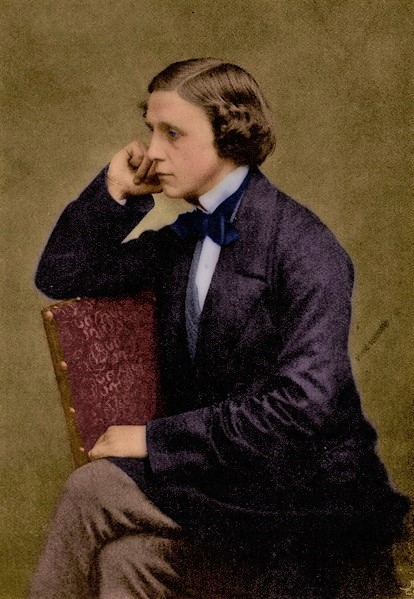
Lewis Carroll
English
1832 – 1898
The sun was shining on the sea, Shining with all his might: He did his very best to make The billows smooth and bright — And this was odd, because it was The middle of the night.
The moon was shining sulkily, Because she thought the sun Had got no business to be there After the day was done — “It’s very rude of him,” she said, “To come and spoil the fun.”
The sea was wet as wet could be, The sands were dry as dry. You could not see a cloud, because No cloud was in the sky: No birds were flying overhead — There were no birds to fly.
The Walrus and the Carpenter Were walking close at hand; They wept like anything to see Such quantities of sand: “If this were only cleared away,” They said, “it would be grand!”
“If seven maids with seven mops Swept it for half a year, Do you suppose,” the Walrus said, That they could get it clear?” “I doubt it,” said the Carpenter, And shed a bitter tear.
“O Oysters, come and walk with us!” The Walrus did beseech. “A pleasant walk, a pleasant talk, Along the briny beach: We cannot do with more than four, To give a hand to each.”
The eldest Oyster looked at him, But never a word he said: The eldest Oyster winked his eye, And shook his heavy head — Meaning to say he did not choose To leave the oyster-bed.
But four young Oysters hurried up, All eager for the treat: Their coats were brushed, their faces washed, Their shoes were clean and neat — And this was odd, because, you know, They hadn’t any feet.
Four other Oysters followed them, And yet another four; And thick and fast they came at last, And more, and more, and more — All hopping through the frothy waves, And scrambling to the shore.
The Walrus and the Carpenter Walked on a mile or so, And then they rested on a rock Conveniently low: And all the little Oysters stood And waited in a row.
“The time has come,” the Walrus said, “To talk of many things: Of shoes — and ships — and sealing-wax — Of cabbages — and kings — And why the sea is boiling hot — And whether pigs have wings.”
“But wait a bit,” the Oysters cried, “Before we have our chat; For some of us are out of breath, And all of us are fat!” “No hurry!” said the Carpenter. They thanked him much for that.
“A loaf of bread,” the Walrus said, “Is what we chiefly need: Pepper and vinegar besides Are very good indeed — Now if you’re ready, Oysters dear, We can begin to feed.”
“But not on us!” the Oysters cried, Turning a little blue. “After such kindness, that would be A dismal thing to do!” “The night is fine,” the Walrus said. “Do you admire the view?”
“It was so kind of you to come! And you are very nice!” The Carpenter said nothing but “Cut us another slice: I wish you were not quite so deaf — I’ve had to ask you twice!”
“It seems a shame,” the Walrus said, To play them such a trick, After we’ve brought them out so far, And made them trot so quick!” The Carpenter said nothing but “The butter’s spread too thick!”
“I weep for you,” the Walrus said: I deeply sympathize.” With sobs and tears he sorted out Those of the largest size, Holding his pocket-handkerchief Before his streaming eyes.
“O Oysters,” said the Carpenter, “You’ve had a pleasant run! Shall we be trotting home again?” But answer came there none — And this was scarcely odd, because They’d eaten every one.
We present this work in honor of the poet’s 450th birthday.
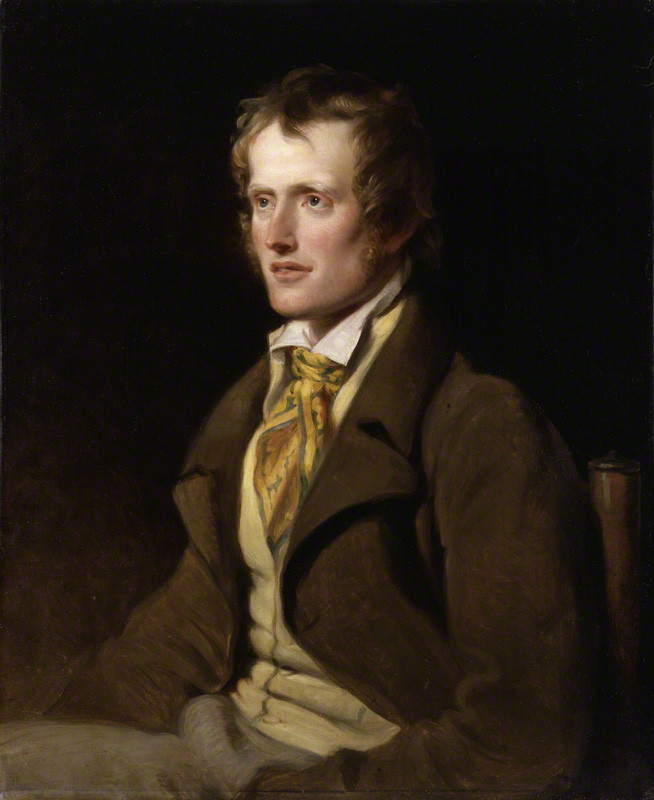
John Donne English 1572 – 1631
I wonder, by my troth, what thou and I Did, till we loved? Were we not weaned till then? But sucked on country pleasures, childishly? Or snorted we in the Seven Sleepers’ den? ‘Twas so; but this, all pleasures fancies be. If ever any beauty I did see, Which I desired, and got, ‘twas but a dream of thee.
And now good-morrow to our waking souls, Which watch not one another out of fear; For love, all love of other sights controls, And makes one little room an everywhere. Let sea-discoverers to new worlds have gone, Let maps to other, worlds on worlds have shown, Let us possess one world, each hath one, and is one.
My face in thine eye, thine in mine appears, And true plain hearts do in the faces rest; Where can we find two better hemispheres, Without sharp north, without declining west? Whatever dies, was not mixed equally; If our two loves be one, or, thou and I Love so alike, that none do slacken, none can die.
We present this work in honor of the poet’s 125th birthday.
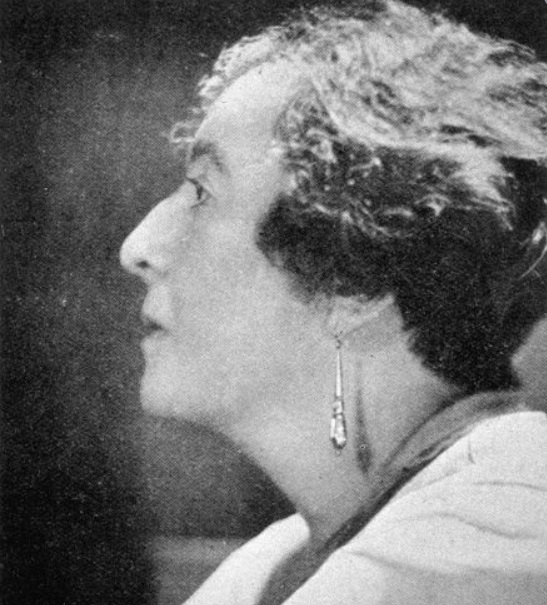
Ruth Pitter
English
1897 – 1992
Flying low over the warm roof of an old barn, Down in a flask to the water, up and way with a cry, And a wild swoop and a swift turn And a fever of life under a thundery sky, So they go, so they go by.
And high and high and high in the diamond light, They soar and they shriek in the sunlight when heaven is bare, With the pride of life in their strong flight And a rapture of love to lift them, to hurtle them there, High and high in the diamond air.
And away with the summer, away like the spirit of glee Flashing and calling, and strong on the wing, and wild in their play, With a high cry to the high sea, And a heart for the south, a heart for the diamond Day, So they go over, so go away.
We present this work in honor of the poet’s 130th birthday.
J.R.R. Tolkien English 1892 – 1973
The world was young, the mountains green, No stain yet on the Moon was seen, No words were laid on stream or stone When Durin woke and walked alone. He named the nameless hills and dells; He drank from yet untasted wells; He stooped and looked in Mirrormere, And saw a crown of stars appear, As gems upon a silver thread, Above the shadow of his head.
The world was fair, the mountains tall, In Elder Days before the fall Of mighty kings in Nargothrond And Gondolin, who now beyond The Western Seas have passed away: The world was fair in Durin’s Day.
A king he was on carven throne In many-pillared halls of stone With golden roof and silver floor, And runes of power upon the door. The light of sun and star and moon In shining lamps of crystal hewn Undimmed by cloud or shade of night There shone for ever fair and bright.
There hammer on the anvil smote, There chisel clove, and graver wrote; There forged was blade, and bound was hilt; The delver mined, the mason built. There beryl, pearl, and opal pale, And metal wrought like fishes’ mail, Buckler and corslet, axe and sword, And shining spears were laid in hoard.
Unwearied then were Durin’s folk; Beneath the mountains music woke: The harpers harped, the minstrels sang, And at the fates the trumpets rang.
The world is grey, the mountains old, The forge’s fire is ashen-cold; No harp is wrung, no hammer falls: The darkness dwells in Durin’s halls; The shadow lies upon his tomb In Moria, in Khazad-dûm. But still the sunken stars appear In dark and windless Mirrormere; There lies his crown in water deep, Till Durin wakes again from sleep.
The Old Year’s gone away To nothingness and night: We cannot find him all the day Nor hear him in the night: He left no footstep, mark or place In either shade or sun: The last year he’d a neighbour’s face, In this he’s known by none.
All nothing everywhere: Mists we on mornings see Have more of substance when they’re here And more of form than he. He was a friend by every fire, In every cot and hall— A guest to every heart’s desire, And now he’s nought at all.
Old papers thrown away, Old garments cast aside, The talk of yesterday, Are things identified; But time once torn away No voices can recall: The eve of New Year’s Day Left the Old Year lost to all.




 Poets Corner