We present this work in honor of the Vernal Equinox.

Japanese
1149 – 1201
Deep within the mountains
That Spring has come remains unknown;
On my pinewood door,
Slowly strike
Droplets of snowmelt.
We present this work in honor of the Vernal Equinox.
Deep within the mountains
That Spring has come remains unknown;
On my pinewood door,
Slowly strike
Droplets of snowmelt.

On my desk is a photograph of you
taken by the woman who loved you then.
In some photos her shadow falls
in the foreground. In this one,
her body is not that far from yours.
Did you hold your head that way
because she loved it?
She is not invisible, not
my enemy,
nor even the past.
I think
I love the things she loved.
Of all your old photographs, I wanted
this one for its becoming. I think
you were starting
to turn your head a little,
your eyes looking slightly to the side.
Was this the beginning of leaving?

When Thames, in plaintive murmurs, lav’d the grott
Where once his darling Pope each care forgot;
Where, with the Muse, he pass’d the smiling day,
Whose strains celestial crown’d the moral lay;
Each drooping Swan with sorrow view’d the shore,
And mourn’d, in melting dirge, their Bard no more:
Ah! flown, O Thames! thy fairest Swan (they sung)
Whose warbling lyre immortal Genius strung,
Truth, Nature, Virtue, touch’d the trembling chord,
While mute Attention caught the Poet’s word.
And must thy beauteous stream incessant mourn?
Is Genius banish’d, never to return?
No—thy sweet banks, immortal Thames! shall prove
His fond affection, and the Muses’ love;
Succeeding years will sure a Walpole give,
In whose progressive mind shall genius live:
His wish to crown—each Muse—each Grace shall meet,
And fix on Strawberry Hill their lov’d retreat.
We present this work in honor of the poet’s 115th birthday.

From every street and roof rose joyous shouts;
The king that day was passing through the town
An orphan boy amidst this speaks his doubts,
What is that sparkle that’s atop his crown?
Someone replied : that’s not for us to know,
But it’s a priceless thing, that’s clear!
A crone approached, her twisted back bent low,
She said: that’s your heart’s blood and my eye’s tear!
We were deceived by shepherd’s staff and robe
He is a wolf; for many years he’s known the flock.
The saint who craves control is but a rogue
A beggar is the king who robs his flock.
Upon the orphan’s tears keep fixed your gaze.
‘Til you see from where comes the jewel’s glow.
How can straight talk help those of crooked ways?
And frank words will to most folk deal a blow.
In honor of Canberra Day, we present this work by one of contemporary Australia’s most notable poets.

On someone else’s place
it seems to him the land
slings distance way out
the dirt is dead and
the sky seems twisted
the beat of the stones is wrong
he doesn’t know how to say it
there are no words no opportunity
and anyway
what would you say
that you’re a stranger
and this doesn’t say it at all
he walks with his weapon through the town
and from time to time he sees the luscious curl
of intimacy the uncommon common life
it’s dressed differently he can’t understand
the language rasping and gargling
another time he’d be an interested tourist
now he’s a hunter and the hunted
soon they say
he’ll be freed to retreat home
where the earth is vein deep
and when he puts his hand on the ground
he’ll feel it beating but now
he can’t remember home
though he knows the words well enough
back paddock Steve’s paddock the yard
it’s just words but now the imam calls
and winds a veil around his senses
and sometimes he thinks he’ll never
get back to where he belonged

The mountains are far away from the extremity, and the sky is limited to the southwest since the past.
The beacon quietly guards the building and the fox goes up to the house, the wind is noisy and the ancient cranes startled the group.
The sideways stone is dangerous and the horse is in danger, and the deep lock Xiongguan cold protects the cloud.
Chi Yu Shengping still feels dangerous, and who reminisces about the old general.

The clamor of dusty children
changes in the throats of flutes.
For the children in narrow alleys, a gun
is two fingers put together,
and death
is closing of eyelids and rolling around in dirt.
Tomorrow
imaginary guns shall be left and forgotten
on the decks of paper boats,
and the camouflage costumes, once too large for the world’s children
shall fit.
We present this work in honor of the poet’s 130th birthday.
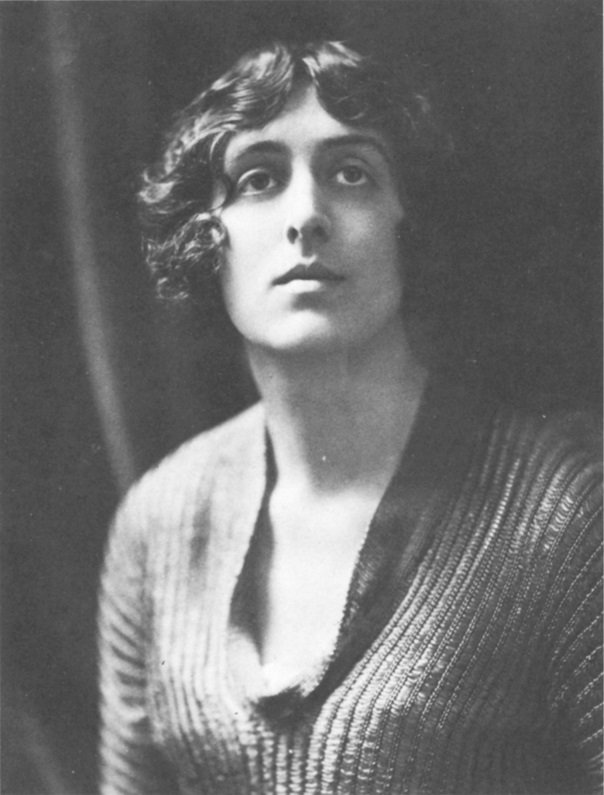
And so it ends,
We who were lovers may be friends.
I have some weeks in which to steel
My heart and teach myself to feel
Only a sober tenderness
Where once was passion’s loveliness.
I had not thought that there would come
Your touch to make our music dumb,
Your meeting touch upon the string
That still was vibrant, still could sing
When I impatiently might wait
Or parted from you at the gate.
You took me weak and unprepared.
I had not thought that you who shared
My days, my nights, my heart, my life,
Would slash me with a naked knife
And gently tell me not to bleed
But to accept your crazy creed.
You speak of God, but you have cut
The one last thread, as you have shut
The one last door that open stood
To show me still the way to God.
If this be God, this pain, this evil,
I’d sooner change and try the Devil.
Darling, I thought of nothing mean;
I thought of killing straight and clean.
You’re safe; that’s gone, that wild caprice,
But tell me once before I cease,
Which does your Church esteem the kinder role,
To kill the body or destroy the soul?
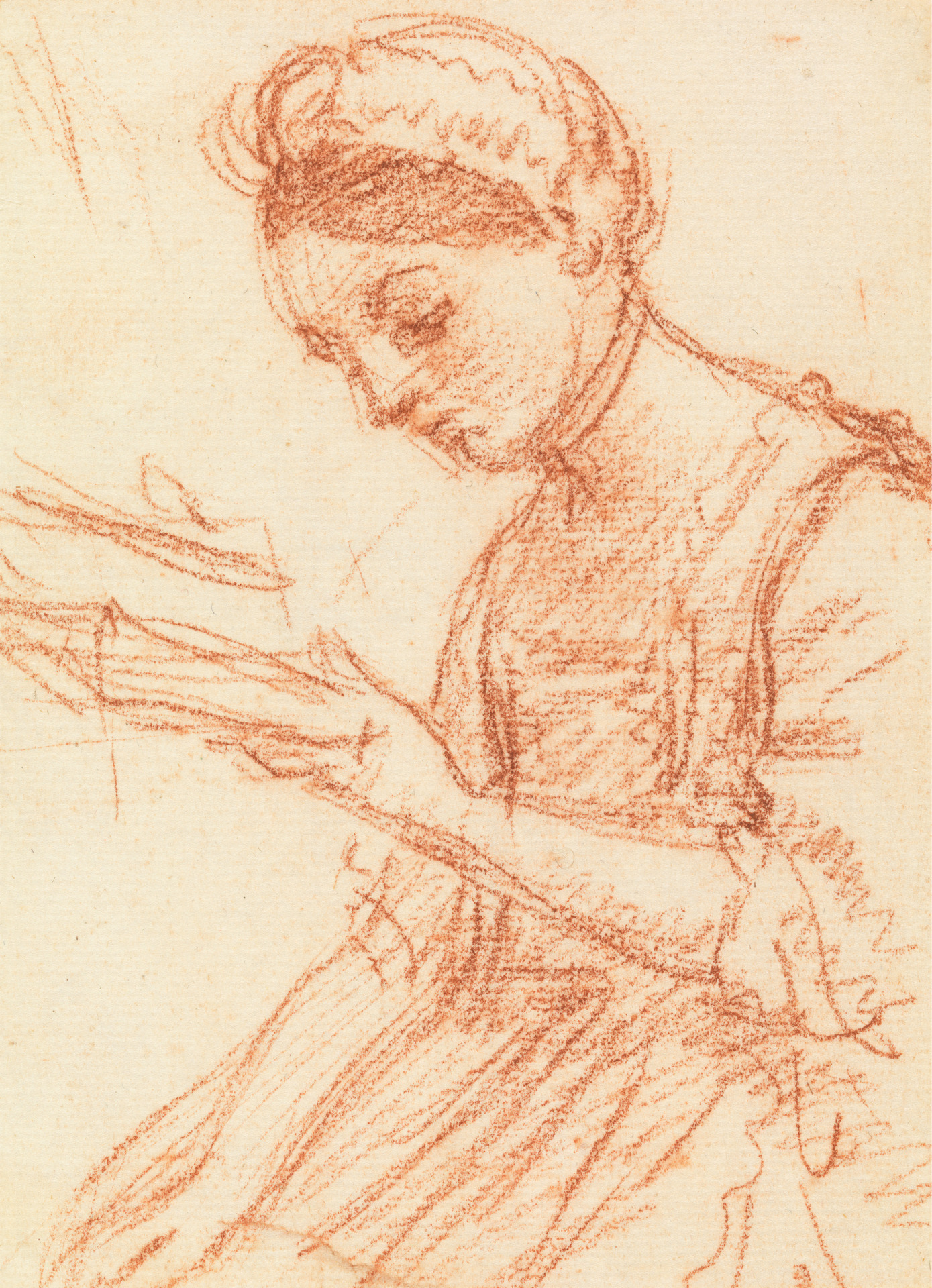
To say you are lovely is to say no more,
Than what ten thousand must have said before;
To say that beauty and her handmaid grace,
Attend your footsteps and illume your face,
Is truth, dear maid! in the most literal sense,
Your form possessing every excellence:
Yet face and shape may be pourtray’d by art;
But who can paint the beauties of your heart,
The glow of tenderness and filial joy,
That only fervent bliss without alloy,
Which sweetly mantles on your virgin cheek,
Whene’er your honour’d father’s name you speak?—
Thus, heavenly maid! the reason is reveal’d
Why every artist in your likeness fail’d;
Their earthy pencils could not draw the line
Between mere beauty and the rays divine,
That prove your form all lovely and refin’d,
The casket only of a lovelier mind.
We present this work in honor of the poet’s 145th birthday.
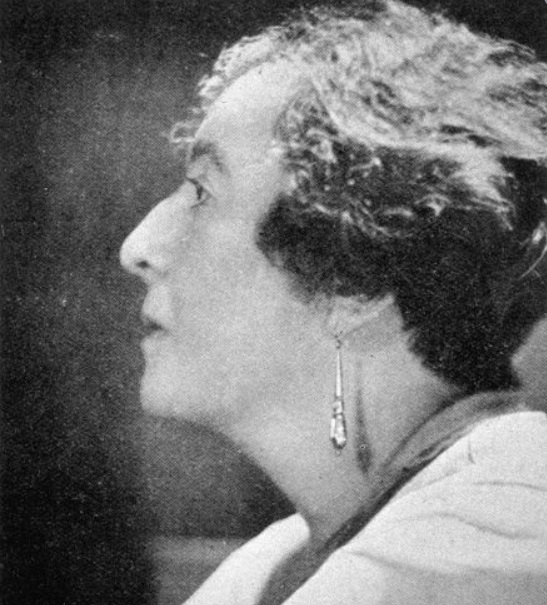
Blind folk see the fairies,
Oh, better far than we,
Who miss the shining of their wings
Because our eyes are filled with things
We do not wish to see.
They need not seek enchantment
From solemn, printed books,
For all about them as they go
The fairies flutter to and fro
With smiling, friendly looks.
Deaf folk hear the fairies
However soft their song;
‘Tis we who lose the honey sound
Amid the clamour all around
That beats the whole day long.
But they with gentle faces
Sit quietly apart;
What room have they for sorrowing
While fairy minstrels sit and sing
Close to their listening heart?
 Poets Corner