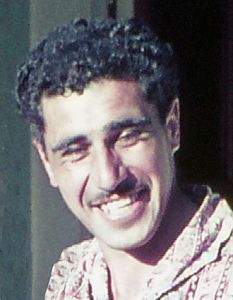
My father is “having fun” cleaning the floor he uses the plugged in sink as a bucket wears rags on his feet and shimmies to a cleaning beat he asks me to read the label on the bottle for him he wants our floor to shine and laughs when (surprise) it does this is how I will remember him moonwalking across our kitchen floor rags under his feet “that’s how my mother taught me” he says “but I never take any note it takes me forty years to do what she say”
We present this work in honor of the 50th anniversary of the poet’s death.
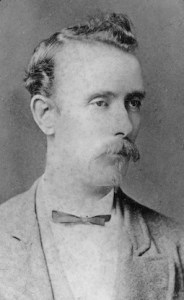
Charles Brasch Kiwi 1909 – 1973
I have come to the end of doubt And to the beginning of the knowledge of self; I have described a circle round the earth And reach my starting place, And I am ready for that which awaits me there.
When I am very earnestly digging I lift my head sometimes, and look at the mountains, And muse upon them, muscles relaxing.
I think how freely the wild grasses flower there, How grandly the storm-shaped trees are massed in their gorges, And the rain-worn rocks strewn in magnificent heaps.
Pioneer plants on those uplands find their own footing, No vigorous growth, there, is an evil weed; All weathers are salutary.
It is only a little while since this hillside Lay untrammelled likewise, Unceasingly swept by transmarine winds.
In a very little while, it may be, When our impulsive limbs and our superior skulls Have to the soil restored several ounces of fertiliser,
The Mother of all will take charge again, And soon wipe away with her elements Our small fond human enclosures.
These unshaped islands, on the sawyer’s bench, Wait for the chisel of the mind, Green canyons to the south, immense and passive, Penetrated rarely, seeded only By the deer-culler’s shot, or else in the north Tribes of the shark and the octopus, Mangroves, black hair on a boxer’s hand.
The founding fathers with their guns and bibles, Botanist, whaler, added bones and names To the land, to us a bridle As if the id were a horse: the swampy towns Like dreamers that struggle to wake,
Longing for the poets’ truth And the lover’s pride. Something new and old Explores its own pain, hearing The rain’s choir on curtains of grey moss Or fingers of the Tasman pressing On breasts of hardening sand, as actors Find their own solitude in mirrors,
As one who has buried his dead, Able at last to give with an open hand.
We present this work in honor of the 15th anniversary of the poet’s death.
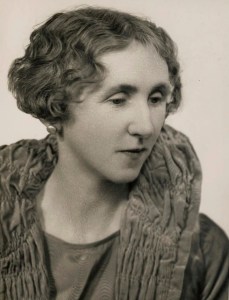
Hone Tuwhare Kiwi 1922 – 2008
No one comes by way of the doughy track through straggly tea tree bush and gorse, past the hidden spring and bitter cress.
Under the chill moon’s light no one cares to look upon the drunken fence-posts and the gate white with moss.
No one except the wind saw the old place maker her final curtsy to the sky and earth:
and in no protesting sense did iron and barbed wire ease to the rust’s invasion nor twang more tautly to the wind’s slap and scream.
On the cream lorry or morning paper van no one comes, for no one will ever leave the golden city on the fussy train; and there will be no more waiting on the hill beside the quiet tree where the old place falters because no one comes anymore no one.
We present this work in honor of the 100th anniversary of the poet’s death.
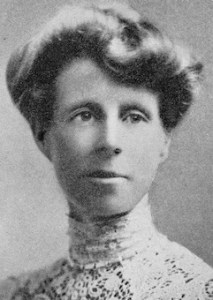
Katherine Mansfield Kiwi 1888 – 1923
And again the flowers are come, And the light shakes, And no tiny voice is dumb, And a bud breaks On the humble bush and the proud restless tree. Come with me!
Look, this little flower is pink, And this one white. Here’s a pearl cup for your drink, Here’s for your delight A yellow one, sweet with honey. Here’s fairy money Silver bright Scattered over the grass As we pass.
Here’s moss. How the smell of it lingers On my cold fingers! You shall have no moss. Here’s a frail Hyacinth, deathly pale. Not for you, not for you! And the place where they grew You must promise me not to discover, My sorrowful lover! Shall we never be happy again? Never again play? In vain—in vain! Come away!
I came to your town, my love, And you were away, away! I said “She is with the Queen’s maidens: They tarry long at their play. They are stringing her words like pearls To throw to the dukes and earls.” But O, the pity! I had but a morn of windy red To come to the town where you were bred, And you were away, away!
I came to your town, my love, And you were away, away! I said, “She is with the mountain elves And misty and fair as they. They are spinning a diamond net To cover her curls of jet.” But O, the pity! I had but a noon of searing heat To come to your town, my love, my sweet, And you were away, away!
I came to your town, my love, And you were away, away! I said, “She is with the pale white saints, And they tarry long to pray. They give her a white lily-crown, And I fear she will never come down.” But O, the pity! I had but an even grey and wan To come to your town and plead as man, And you were away, away!




 Poets Corner