Gracious Jesus, King of Zion, Give thy help, give thy peace To travel rightly the roads of the city While I am this side of the grave. Catch my head when I come to die, Keep your gaze upon the land That I was given with a promise With the Father’s full contentment.
If warlike chiefs with dawning day At Cattraeth met in dread array, The song records their splendid name; But who shall sing of Urien’s fame? His patriot virtues far excel Whate’er the boldest bard can tell: His dreadful arm and dauntless brow Spoil and dismay the haughty foe.
Pillar of Britain’s regal line! ‘Tis his in glorious war to shine; Despair and death attend his course, Brave leader of the Christian force!
See Prydyn’s men, a valiant train, Rush along Gwenystrad’s plain! Bright their spears for war addrest, Raging vengeance fires their breast; Shouts like ocean’s roar arise, Tear the air, and pierce the skies. Here they urge their tempest force! Nor camp nor forest turns their course: Their breath the shrieking peasants yield O’er all the desolated field.
But lo, the daring hosts engage! Dauntless hearts and flaming rage; And, ere the direful morn is o’er, Mangled limbs and reeking gore, And crimson torrents whelm the ground, Wild destruction stalking round; Fainting warriors gasp for breath, Or struggle in the toils of death.
Where the embattled fortress rose, (Gwenystrad’s bulwark from the foes,) Fierce conflicting heroes meet— Groans the earth beneath their feet.
I mark, amidst the rolling flood, Where hardy warriors stain’d with blood Drop their blunt arms, and join the dead, Grey billows curling o’er their head: Mangled with wounds, and vainly brave, At once they sink beneath the wave.
Lull’d to everlasting rest, With folded arms and gory breast— Cold in death, and ghastly pale, Chieftains press the reeky vale, Who late, amidst their kindred throng, Prepar’d the feast, and join’d the song; Or like the sudden tempest rose, And hurl’d destruction on the foes.
Warriors I saw who led the fray, Stern desolation strew’d their way; Aloft the glitt’ring blade they bore, Their garments hung with clotted gore. The furious thrust, the clanging shield, Confound the long-disputed field.
But when Rheged’s chief pursues, His way through iron ranks he hews; Hills pil’d on hills, the strangers bleed: Amaz’d I view his daring deed! Destruction frowning on his brow, Close he urg’d the panting foe, ‘Till hemm’d around, they met the shock, Before Galysten’s hoary rock. Death and torment strew’d his path; His dreadful blade obey’d his wrath: Beneath their shields the strangers lay, Shrinking from the fatal day.
Thus in victorious armour bright, Thou brave Euronwy, pant for fight: With such examples in thine eyes, Haste to grasp the hero’s prize.
And till old age has left me dumb— Till death has call’d me to the tomb— May cheerful joys ne’er crown my days, Unless I sing of Urien’s praise!
We present this work in honor of the poet’s 295th birthday.
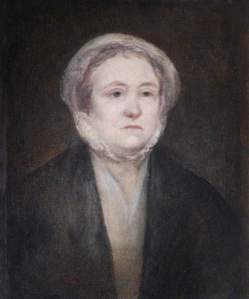
Anne Penny Welsh 1729 – 1784
Ye Bards who erst, in Mona’s shadowy isle, With harmony celestial wrapt the foul; Whose sounds symphonious taught e’en Care to smile, And ev’ry ruder passion could controul:
Bless’d be your friendly aid, for that alone Could Parry’s artless hand with skill inspire; His fancy swell to raise the rapt’rous tone, His flying fingers guide to skin the lyre.
To you, ye Bards, seraphic sounds were giv’n, That soothing rais’d and charm’d the soul to peace; Delightful foretaste of a future heav’n, Where harmony divine shall never cease.
Still o’er your much-lov’d Cambria, still preside, Seat once of flowing verse, of magic song; Your mighty shades the feeblest hand can guide, And bid their silent harps again be strung.
Your potent aid can fan their dying fire, Can call back Genius to each desart grove; Your sons will rouse when you their Bards inspire, Elate, their mighty origin to prove.
The pampered steed, of swiftness proud, Pranced o’er the plains, and neighed aloud. A Mule he met, of sober pace, And straight defied her to a race. Long she declined to try the course; How could she match in speed the horse? At length, while pawing side by side, A precipice the Mule espied, And in her turn the Horse defied. Near to its foot there stood a tree, Which both agreed the goal should be. Hasty rushed on the bounding steed, And slowly sees the Mule proceed: He sees, he scorns; but as they bend From the rough mountain to descend, He finds his boasted swiftness vain, For footing here he can’t maintain. The steady Mule the toil abides, And skillful down the hill she slides, Reaching the goal, well pleased to find The vaunting Horse creep slow behind; Who, tumbling from the mountain’s brow, Came battered to the vale below; Too late convinced, by what had passed, That ” slow and sure goes far at last”.
Dawning is that happy morning When, beyond the bonds of pain, The redeemed shall rise rejoicing And with Christ together reign. Faith shall vanish into vision Verified, and hope shall be Satisfied in the fruition Of unfailing charity.
Forward! Homeward! way-worn pilgrim! That predicted morn is near, When The once afflicted Saviour Crowned with glory shall appear. Round Him, as a golden girdle Shining, is His Faithfulness Offering the vilest sinner Pardon, Peace and Holiness.
We present this work in honor of the poet’s 100th birthday.
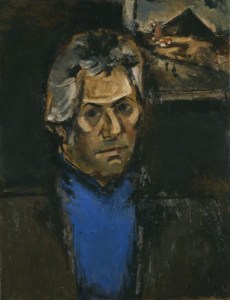
Dannie Abse Welsh 1923 – 2014
They came into our lives unasked for. There was light momentarily, a flicker of wings, a dance, a voice, and then they went out again, like a light, leaving us not so much in darkness, but in a different place and alone as never before.
So we have been changed and our vision no longer what it was, and our hopes no longer what they were; so a piece of us has gone out with them also, a cold dream subtracted without malice,
the weight of another world added also, and we did not ask, we did not ask ever for those who stood smiling and with flowers before the open door.
We did not beckon them in, they came in uninvited, the sunset pouring from their shoulders, so they walked through us as they would through water, and we are here, in a different place, changed and incredibly alone, and we did not know, we do not know ever.
We present this work in honor of the 240th anniversary of the poet’s death.
Anna Williams Welsh 1706 – 1783
Turn on the prudent Ant, thy heedful eyes, Observe her labours, Sluggard, and be wise. No stern command, no monitory voice Prescribes her duties, or directs her choice, Yet timely provident, she hastes away To snatch the blessings of the plenteous day; When fruitful summer loads the teeming plain, She gleans the harvest, and she stores the grain.
How long shall sloth usurp thy useless hours, Dissolve thy vigour, and enchain thy powers? While artful shades thy downy couch enclose, And soft solicitation courts repose, Amidst the drousy charms of dull delight, Year chases year, with unremitted flight, Till want, now following fraudulent and slow, Shall spring to seize thee like an ambush’d foe.
Not so much silence as voices, hushed. Not so much voices as emptied sound. Not so much sound as pulsing in dark. Not so much pulsing as stillness, alive. Not so much dark as starlight, waiting.
Fair children of nature! a fragrance is round them, Derived from the parent who first gave them birth, And who, in her ceaseless affection, hath crowned them, The simplest and sweetest adornments of earth.
In shadow and sunshine they blossom and flourish, On high, hanging cliff—in the forest’s deep gloom; The wildest of mountains their loveliness nourish, And dark, hollow caves are their cradle and tomb.
But e’en as we gaze on the flower, ‘tis faded— Its beauties are fleeting, and live but a day; Too quickly the leaves by death’s colours are shaded, Till lowly it droops its fair head to decay.
‘Tis an emblem of life, for an infancy’s hours We know not its thorny and dangerous road— Our tears fall as lightly as dew from the flowers, And leave the heart gay as if ne’er they had flowed.
But when the rough blasts of misfortune assail us, Or frosts of unkindness fall chill on the heart,— When friends we have loved, in adversity fail us,— ‘Tis then that the tear-drops of sorrow will start.
Too often, alas! the bright visions we cherish Of friendship and faith, fade away from our sight, And the fond dreams of hope in their infancy perish, At the withering touch of ingratitude’s blight.





 Poets Corner