We present this work in honor of the 550th anniversary of the poet’s death.
Nezahualcoyotl Mexican 1402 – 1472
You, azure bird, shining parrot, you walk flying. Oh Highest Arbiter, Life Giver: trembling, You extend Yourself here, filling my house, filling my dwelling, here.
With Your piety and grace one can live, oh Author of Life, on earth: trembling, You extend Yourself here, filling my house, filling my dwelling, here.
I swim in that long river And rest on its bank. I climb that high hillcrest And cut the wild thorn. Alas! I journey afar, Alone I travel, in utter solitude. I look up at that temperate wind And shed tears like the rain.
Here I will never hear the cuckoo’s call. Here trees will never wear the shtreimel-snow. Yet here in the pine’s shade I can hear all My childhood, brought to life from long ago.
The needles chiming: Once upon a time “Home” was the word I gave to snow, not sand, And the brook-fettering ice- a greenish rime Of my song’s language in a foreign land.
Perhaps the voyaging birds alone who find Their own route hanging between the sky and earth, Know how I pine between two lands of birth.
In you I was transplanted, O my pine. In you I branched into myself and grew Where disparate landscapes split one root in two.
We present this work in honor of the poet’s 90th birthday.
Naguib Surur Egyptian 1932 – 1978
There will be anger Followed by the deluge. We know we will be among the drowned. But we will take the devil with us down To the deepest of deeps: Our end will be his… But slowly… What will be said Of us when they look back on it all? What will be said Of us after the deluge, After the coming drowning, after the coming anger, What will be said of us poets and writers? Were we men in truth, Half-men Or mere shadows? Fear, Fear of the sword, Made of us something unspeakable — Except in the vulgar tongue.
What will be said? Will it be said we chose silence For fear of death? The letter has an edge like a sword, Can turn against its speaker.
What will be said? Will it be said that we chose to speak in symbols, Whispers, silent gestures, In all the arts of coded speech? We said it all — in vino veritas, But people Had other concerns: Their daily bread, A kilo of meat.
Maqrizi, You who always come after the deluge: A plague is a plague — It always comes on the tail of a famine. It snatched your daughter, and many other daughters As the wolf was standing guard.
I hereby solemnly swear, Maqrizi, Not to leave this world Without scandal. I ask no one for justice: True justice is not to be begged. Our judges are high priests, Our high priests are distant And all are traitors. Let someone else write poetry, I am writing the Chronicles of Maqrizi.
I drink, day And night I drink. Sinking… I sink into my depths. There I see him, In my heart a holy pearl, Unbreakable, Even if a giant mountain falls upon it. When I sober up, I float to the surface, lose my pearl. Was it lost? No. It was me who was lost— When I sobered up I floated to the surface. For sure the pearl is down there in the depths… No. It is between two thighs, trampled under feet Shod in military or civilian boots, Under the wheels of petro-dollar cars.
Usually I drink from two glasses… My comrade in the madhouse died. He used to share my drink And share my grief. We had no time for joy: He used to share my past anger, And present anger — and that to come. Usually I drink from two glasses, The second to toast him. But tonight I drink from one glass: It seems my friend, upon his death, Had given up drinking; Or maybe it was me who gave up. Then let me drink to giving up drinking Until the last of all the Noahs’ arks has left With all those who will be saved from the coming deluge.
I sink and sink And see in my glass Monkey fornicating with rat Or rat fornicating with wolf Or wolf with owl.
Maqrizi’s daughter is lost In the plague And the plague always comes on the tail of a famine, When prices are measured against a kilo of meat, Even the price of writers, novelists, poets, Artists and scientists, When the stuff of the dreams of the poor is meat; And fuul beans, Fruit for the masters.
I recall a poet’s saying: I shall sleep not to see My country being bought and sold.
Then drink from two glasses, Or, if you wish, drink from one. If my death cannot be driven away, Then let me engage with it With what I have at hand.
All folks who pretend to religion and grace, Allow there’s a HELL, but dispute of the place: But, if HELL may by logical rules be defined The place of the damned -I’ll tell you my mind. Wherever the damned do chiefly abound, Most certainly there is HELL to be found: Damned poets, damned critics, damned blockheads, damned knaves, Damned senators bribed, damned prostitute slaves; Damned lawyers and judges, damned lords and damned squires; Damned spies and informers, damned friends and damned liars; Damned villains, corrupted in every station; Damned time-serving priests all over the nation; And into the bargain I’ll readily give you Damned ignorant prelates, and counsellors privy. Then let us no longer by parsons be flammed, For we know by these marks the place of the damned: And HELL to be sure is at Paris or Rome. How happy for us that it is not at home!
We present this work in honor of the 90th anniversary of the poet’s death.
Pascual Contursi Argentine 1888 – 1932
Bandoneon of the slum, old deflated bellow I found you like a baby that a mother abandoned, at the door of a convent without plaster on the walls, under the light of a little lamp that at night it illuminated you.
Bandoneon, because you see that I am sad and I can no longer sing, you know that I carry in the soul branded a pain.
I took you to my room, I cuddled you against my cold chest, I was also left abandoned in my digs. You have wanted to console me with your rasping voice and your painful note increased my illusion.
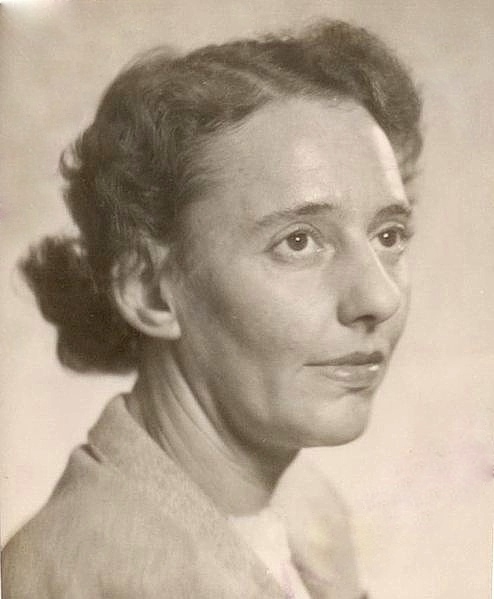
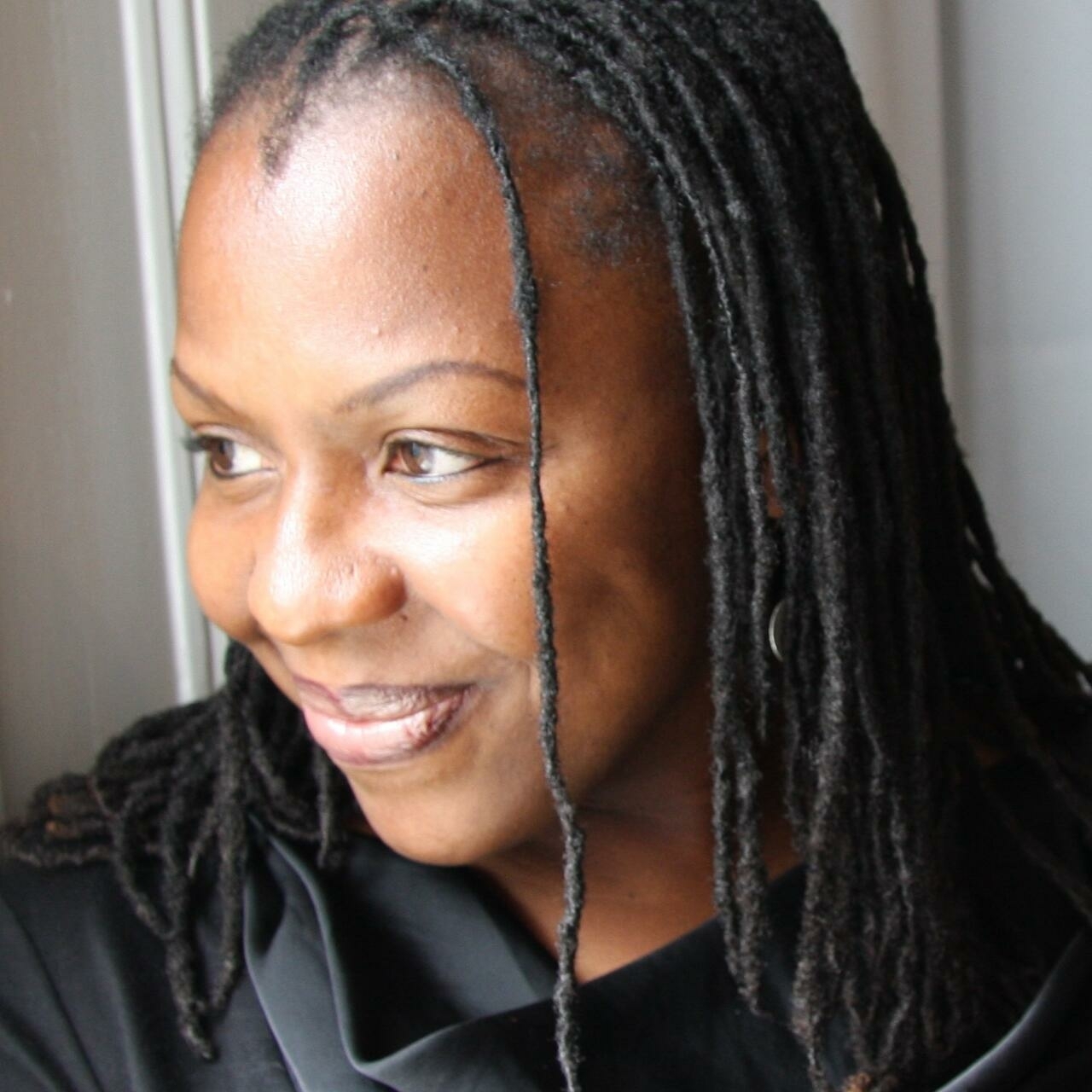
We present this work in honor of the poet’s 90th birthday.
Linda Pastan
American
b. 1932
This landlocked house should grace a harbor: its widow’s walk of grey pickets surveys an inland sea of grass; wind breaks like surf against its rough shingles.
In summer the two grown sons tie up here for a while. The daughter with her mermaid hair sits on a rock: her legs will soon be long enough to carry her away.
Sometimes the woman lies awake watching the fireflies bobbing like ship’s lights, the bats with their strict radar patrolling the dark.
The man will leave too, one way or another, sufficient as an old snail carrying his small house on his back. She will remain, pacing
the widow’s walk. At dusk she’ll pick the milky flowers that grow by the porch stair; she’ll place them in the window, each polished petal a star for someone to steer home by.
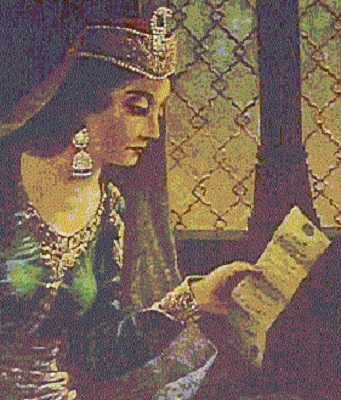
We present this work in honor of the 320th anniversary of the poet’s death.
Zeb-un Nissa
Indian
1638 – 1702
I will not lift my veil,— For, if I did, who knows? The bulbul might forget the rose, The Brahman worshipper Adoring Lakshmi’s grace Might turn, forsaking her, To see my face; My beauty might prevail. Think how within the flower Hidden as in a bower Her fragrant soul must be, And none can look on it; So me the world can see Only within the verses I have writ— I will not lift the veil.




 Poets Corner