City: Bolshevik Super-Poem in Five Cantos

We present this work in honor of the poet’s 120th birthday.

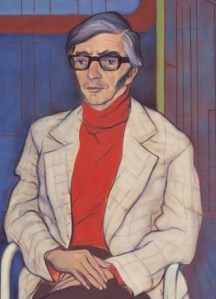
Manuel Maples Arce
Mexican
1900 – 1981


I

To the workers of Mexico

Here’s my brutal
and multispirited
poem
to the new city.

O city all tense
with cables and with efforts,
all resounding
with motors and with wings.

Simultaneous explosion
of new theories,
a bit further
On the spatial plane
from Whitman and from Turner
and a bit closer
to Maples Arce.

The lungs of Russia
blow the wind
of social revolution toward us.
Literary zipper-robbers
will understand nothing
of this new sweaty
beauty of the century,
and the ripe
moons
that fell,
are this putrefaction
that reaches us
from intellectual sewage pipes.
Here’s my poem:
O city strong
and manifold,
made all of iron and of steel!

Docks. Inner harbors.
Cranes.
And the sexual fever
of industrial plants.
Metropolis:
Bodyguards of trams
that traverse the subversivist streets.
Window displays accost sidewalks,
and the sun, it sacks the avenues.
On the fringes of the tariffed
days of telephone posts
momentary landscapes file
through systems of elevator tubes.

Suddenly,
O the green
flash of her eyes!

Beneath the ingenuous shutters of the hour
pass red battalions.
The cannibal romanticism of Yankee music
has gone making its nests in the masts.
O international city!
Toward what remote meridian
cut that ocean liner?
I feel that everything moves away.

Aged dusks
float among the masonry of the scene.
Spectral trains that travel
toward far
away, panting with civilizations.

The upset multitude
sloshes musically in the streets.

And now, the bourgeois thieves, they will lie down to tremble
for the fortunes
that robbed the town,
but someone concealed beneath their dreams
the spiritual music staff of the explosive.

Here’s my poem:
Pennants of hurrahs into the wind,
inflamed heads of hair
and captive mornings in eyes.

O musical
city
all made of mechanical rhythms!

Tomorrow, perhaps,
only the vivid light of my verses
will illuminate the humiliated horizons.

II

This new profoundness of the scene
is a projection toward interior mirages.

The resounding crowd
today overruns the communal plazas
and the triumphal hurrahs
of obregonismo
reverberate from the façades to the sun.

O romantic girl
flare-up of gold!

Maybe between my hands
only living moments remained.
Landscapes dressed in yellow
fell asleep behind the windowpanes,
and the city, rapt,
has remained trembling in the rigging.
Applauses are that barrier.

—Oh God!
—Never fear, it’s the romantic wave of the multitudes.
Afterward, over the overflows of silence,
the Tarahumara night will go expanding.
Extinguish your shop windows.
Within the machinery of insomnia,
lust, are millions of eyes
that smear themselves on flesh.

A steel bird
has emprowed its aim toward a star
The port:
inflamed distances,
smoke of industrial plants.
Over clotheslines of music
her remembrance suns itself.
A transatlantic farewell leapt from the gunwale.

Motors sing
over the dead panorama.

III

The afternoon, riddled with windows,
floats on the wires of the telephone,
and between the
inverse crossings of the hour
the farewells of the machines hang. One morning his

wonderful youth
exploded
between my fingers,
and in the empty water
of the mirrors,
the forgotten faces were shipwrecked.

Oh the poor trade union city
scattered
with cheers and screams!

The workers
are red
and yellows.

There is a flourishing of pistols
after the springboard of the speeches,
and while the lungs
of the wind
are suppurated,
lost in the dark corridors of the music
some white bride leaves off.

IV

Among copses of silence
darkness licks the blood of dusk.
Fallen stars,
they are dead birds
in the dreamless water
of the mirror.

And the resounding
artilleries of the Atlantic
waned,
finally,
in the distance.

Over the rigging of autumn,
a nocturnal wind blows:
it is the wind of Russia,
of the great tragedies,
and the garden,
yellow,
founders in shadow.
Her recollection, sudden,
it crackles in muted interiors.

Her golden words
sift in my memory.

Rivers of blue shirts
overflow the floodgates of industrial plants,
and agitator trees
gesticulate their discourses on the sidewalk.
The strikers fling
insults and blows with stones,
and life, it is a tumultuous
conversion to the left.

On the edges of the pillow,
night, it is a precipice;
and insomnia,
it has remained rummaging in my brain.

From whom are those voices
that float in shadow?

And these trains that howl
to devastated horizons.

The soldiers
will spend this night in the inferno.

My God!
And from all this disaster
only a few white
pieces
of her recollection,
they have kept me within her hands.

V

The savage hordes of the night
lie down over the frightened city.

The bay,
flowering
with masts and moons,
spills
over the ingenuous
music score of her hands,
and the distant scream
of a steamboat,
toward the Nordic seas.

Goodbye
to the shipwrecked continent!

Between the wires of her name
remain feathers of birds.

Poor Celia Maria Dolores;
the scene is inside us.
Beneath hatchet blows of silence
iron architectures are devastated.
There are waves of blood and storm clouds of hatred.

Desolation.

The marijuana discourses
of legislators
splattered her remembrance with droppings,
but,
her tenderness has fallen headlong
on the multitudes of my soul.

Ocotlán
there, far away.
Voices.

Impacts peck about
trenches.

All night lust stoned
balconies under cover of a virginity.

Shrapnel
makes pieces of silence sound.

Resounding
and deserted streets,
they are rivers of shadow
that go into the sea,
and the sky, frayed,
is the new
flag
that flutters
over the city.

Noah’s Flood

Amal Donqol
Egyptian
1940 – 1983


Noah’s flood is coming nearer!
The city is sinking little… by little
Birds flee
And water rises
On the steps of houses
Shops
The post office
Banks
Statues (of our immortal ancestors)
Temples
Wheat sacks
Maternity hospitals
The prison gate
The State House
The corridors of fortified barracks.
Birds are leaving
Slowly…
Slowly…
Geese on the water float
Furniture floats…
And a child’s toy…
And a gasp of a sad mother
Young women on the roofs waver!
Noah’s flood is coming nearer
Here are “the wise men” fleeing to the ship
The singers, the prince’s horseman, the usurers, the judge of judges
(And his Mamlouk…),
The sword bearer, the temple dancer
(She rejoiced when she picked up her wig…)
Tax collectors, weapons importers,
The princess’s lover in his radiant effeminate manner
Noah’s flood is coming nearer.
Here are the cowards fleeing to the ship
While I was…
The city’s youth were
Bridling the unruly horse of the water
Carrying water on both shoulders.
And racing time
They were building stone dams for themselves
Hoping to save the bosom of youth and civilization
Hoping to save…the homeland!
…the master of the Ark shouted at me—before the advent
Of quietude:
“Escape from a country…where the spirit is no longer!”
I said:
Blessed are those who ate its bread…
In days of prosperity
And turned their back on it
In times of adversity!
Glory to us, we who have stood
(God has obliterated our names!)
to defy destruction…
And seek refuge in a mountain that doesn’t die
(They call it ‘the people’!)
We refuse to flee…
And we refuse to wander!
My heart, knit with injuries
Cursed by commentaries
Is resting, now, on the city’s remains
A blossom bland
Still…
After it said “No” to the ship …
and loved the homeland

Tel Aviv 1935

We present this work in honor of Yom Ha’atzmaut.

Leah Goldberg
German
1911 – 1970


Back then the masts on the houses were
like the masts of Columbus’ ships,
and every raven that stood on their tips,
heralded a different continent.

The knapsacks of travelers walked the streets
and the language of a foreign country
pierced the heatwave
like the blade of a cold knife.

How can the air of this small city
lift up so many
childhood memories, cast off loves,
rooms emptied out somewhere?

Like pictures blackening inside a camera
they turned—pure winter nights,
rainy summer nights across the sea,
and the grey mornings of the cities.

But footsteps beat behind your back,
the marching tune of a foreign army.
And it seems—if you just turn your head, in the sea
your city’s church is sailing.

Strawberries

We present this work in honor of the poet’s 100th birthday.

Edwin Morgan
Scots
1920 – 2010


There were never strawberries
like the ones we had
that sultry afternoon
sitting on the step
of the open French window
facing each other
your knees held in mine
the blue plates in our laps
the strawberries glistening
in the hot sunlight
we dipped them in sugar
looking at each other
not hurrying the feast
for one to come
the empty plates
laid on the stone together
with the two forks crossed
and I bent towards you
sweet in that air
in my arms
abandoned like a child
from your eager mouth
the taste of strawberries
in my memory
lean back again
let me love you

let the sun beat
on our forgetfulness
one hour of all
the heat intense
and summer lightning
on the Kilpatrick hills

let the storm wash the plates

Macquarie Harbour

We present this work in honor of ANZAC Day.

Rex Ingamells
Australian
1913 – 1955


Macquarie Harbour jailers lock
the sullen gates no more…
but lash-strokes sound in every shock
of ocean on the dismal rocks
along that barren shore.

No more the bolters hear the hound
that bays upon the wind,
and terror-spurred kept onward-bound
until they drop upon the ground
starved and terror-pinned…

But gales that whine among the hills
sniff at the savage tracks
the hopeless took. The snowfall fills
bleak ranges; then the moonlight spills
broad arrows on their backs.

Hurt Hawks

Robinson Jeffers
American
1887 – 1962


I

The broken pillar of the wing jags from the clotted shoulder,
The wing trails like a banner in defeat,

No more to use the sky forever but live with famine
And pain a few days: cat nor coyote
Will shorten the week of waiting for death, there is game without talons.

He stands under the oak-bush and waits
The lame feet of salvation; at night he remembers freedom
And flies in a dream, the dawns ruin it.

He is strong and pain is worse to the strong, incapacity is worse.
The curs of the day come and torment him
At distance, no one but death the redeemer will humble that head,

The intrepid readiness, the terrible eyes.
The wild God of the world is sometimes merciful to those
That ask mercy, not often to the arrogant.

You do not know him, you communal people, or you have forgotten him;
Intemperate and savage, the hawk remembers him;
Beautiful and wild, the hawks, and men that are dying, remember him.

II

I’d sooner, except the penalties, kill a man than a hawk;
but the great redtail
Had nothing left but unable misery
From the bone too shattered for mending, the wing that trailed under his talons when he moved.

We had fed him six weeks, I gave him freedom,
He wandered over the foreland hill and returned in the evening, asking for death,
Not like a beggar, still eyed with the old
Implacable arrogance.

I gave him the lead gift in the twilight.
What fell was relaxed, Owl-downy, soft feminine feathers; but what
Soared: the fierce rush: the night-herons by the flooded river cried fear at its rising
Before it was quite unsheathed from reality.

The Clitoral Nature of Colonialism or What Happened To Our Dela

Rozena Maart
South African
b. 1962


The socks
the pants
the water in the iron basin reflect her hair
it lie there
engrossed by the stare
of our mamma
our mamma
our story teller
our dear

The sun shines on her voice
with rays of pleasantries
with strokes of plenitude
an air of delight
as she speaks with so much power
so much power and so much might

Our eyes survey her presence
and she asks that we not despair
this is about life
about the lives that was
and those to come
and those to regain
for pleasure and not shame
of lives and land
to reclaim and rename
of experiences unknown
untold but bold
but behold
mamma talks
tells the story
and so it unfolds:

We hear mamma talk about the shore
the tip of Africa — our home — our life
about the white man’s dreams
and oh, so galore
she tells their desires
of the young Black girls they admire
of the girls who they ask to parade
not in the sunlight
but in their shade
where they lie and compete
for fresh Black women’s meat
and so they explore
on every possible shore
forever and ever
for Black women for their dela
for their tings dat hang like grapes
for der tings dat hold dem men tings tight
for der dela brings delight
delight and pleasure
to the white man’s liesure

Der story is not finished
we are told dat there is more
we know all about der shore
about der rules and der law
about der women who lived before
about der times when we were more
Mamma tells about der times
when the rivers ran and ran
when they covered all the land
when der women washed in der shore
when they were grabbed and spoke no more

We want to cry
but mamma says “No”
there’s no tears for what happened
no tears for all der years
no time to reminisce
if we are only going to miss
the objective of the lesson
of the lesson and the story
of our pain and future glory

of the glory still to come
if we stand and fight as one
and build our hearts and hopes
and dream about the land that’s ours
and keep our dela safe ashore
in our bloomers
shut behind our door

Our dela
our heritage
and still our fight
our knowledge
our history
our right
our land
our culture
in their hands tight

The plan is clear as daylight
our legs apart
our hearts crossed
our fists clenched
our mouths sealed
pressed hard against our will
our dela pinched closed
our teeth chattering to our spirits
our spirits racing to the future
racing for the day
when our dela can be ours
and only ours
to have and to hold
to savour and to fold

We clasp our hands together
and jpin mamma loud in song
it’s a pray and a story
a story and a song
a story overdue
overdue
so long

Naming of Parts

Henry Reed
English
1914 – 1986


Today we have naming of parts. Yesterday,
We had daily cleaning. And tomorrow morning,
We shall have what to do after firing. But today,
Today we have naming of parts. Japonica
Glistens like coral in all the neighboring gardens,
And today we have naming of parts.

This is the lower sling swivel. And this
Is the upper sling swivel, whose use you will see,
When you are given your slings. And this is the piling swivel,
Which in your case you have not got. The branches
Hold in the gardens their silent, eloquent gestures,
Which in our case we have not got.

This is the safety-catch, which is always released
With an easy flick of the thumb. And please do not let me
See anyone using his finger. You can do it quite easy
If you have any strength in your thumb. The blossoms
Are fragile and motionless, never letting anyone see
Any of them using their finger.

And this you can see is the bolt. The purpose of this
Is to open the breech, as you see. We can slide it
Rapidly backwards and forwards: we call this
Easing the spring. And rapidly backwards and forwards
The early bees are assaulting and fumbling the flowers:
They call it easing the Spring.

They call it easing the Spring: it is perfectly easy
If you have any strength in your thumb: like the bolt,
And the breech, the cocking-piece, and the point of balance,
Which in our case we have not got; and the almond blossom
Silent in all of the gardens and the bees going backwards and forwards,
For today we have the naming of parts.

Early Evening

Ilse Blumenthal-Weiss
German
1899 – 1987


In the awake forests
of the day
Your laugh pushes through
The darkness.

Voices slip out of control
Luscious in their song,
Far and wide,
Sprayed with fog,

They swim like a fever
Glowing in the blood.
Longer still, lovely
Rhythm and flood;

Again, still again
A blooming weight:
Bend down lower
Intoxicated guest.
Light circling light
Going into silence.
Poet and poet
Into one another

Their hands curve,
Indulging / Feasting Awake.
Day is coming to an end;
It is almost night.

Beggar

We present this work in honor of the Day of Dr. Ambdekar Jayanti.

Suryakant Tripathi Nirala
Indian
1896 – 1961


He comes.
Making us repentant with remorseful remarks,
He comes on path.
His stomach and back seems one,
A stick in hand,
Asking for alms and grain,
To satisfy his hunger.
He spreads forward
His torn satchel,
Making us repentant with remorseful remarks,
He comes on path.
Two children with him always,
With one hand on their starved belly
Other hand raised
to attract some merciful sight,
Lips and mouth parched.
Receiving no mercy from the Maker,
Starving, can’t sob and shed tears
Busy eating decayed leftover by a roadside
Competing with stray dogs
To satiate their hunger.