We present this work in honor of the poet’s 60th birthday.
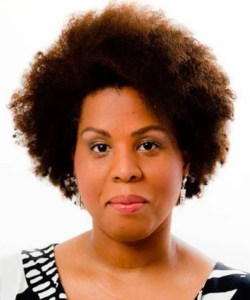
Caridad Atencio Cuban b. 1963
I overcome because I am overwhelmed. I whip my life into shape, one tension, one bit of calm at a time, if I must I give back the distance I run, if I must I rise and cut something from myself.
I’ve arrived at this hour dragging my body from moment to moment. Surreptitiously I serve up wounded blood. The story I bear, how will you receive it? The water I’ve gathered makes itself heard. Here is the mother who keeps her child forever in her womb. And decides she will live, even as she drowns.
So far, all over the world, women have survived it. Perhaps it was that our grandmothers were stoic or, that back then, they weren’t entitled to complain, still they reached old age wilting bodies but strong souls. Now, instead, dissertations are written on the subject. As early as thirty agony sets in, Foretelling the catastrophe.
A body is much more than the sum of its hormones. Menopausal or not a woman remains a woman, beyond the production of secretions or eggs. To miss a period does not imply the loss of syntax or coherence; it shouldn’t lead to hiding as a snail in a shell, nor provoke endless brooding. If depression sets in it won’t be a new occurrence, each menstrual cycle has come to us with tears and its load of irrational anger. There is no reason, then, to feel devalued: Get rid of tampons and sanitary napkins! Use them to light a bonfire in your garden! Be naked Dance the ritual of aging And survive Like so many Before you.
I asked a gardener He said: the plant… the plant of light I asked a woodcutter He said: the tree… the tree of light I asked a farmer He said: the flower… the flower of light I asked a poet He said: the word… the word of light I asked a lover She said: the kiss… the kiss of light
I asked them all The scoundrels didn’t tell me about a leaf that falls every day on the head of one of us No one told me about the shiver and the plants of the other world where there exists the smooth stone of eternity What kind of idiots are these people? Their leaves fall every day on my head while I am rocking them to their last resting place.
We present this work in honor of the poet’s 75th birthday.
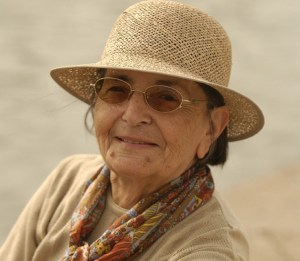
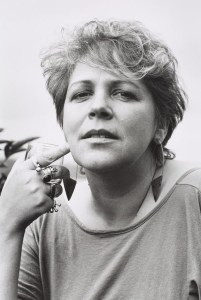
Liz Lochhead Scots b. 1947
after John Donne’s ‘A Nocturnal on St Lucy’s Day’
At midday on the year’s midnight into my mind came I saw the new moon late yestreen wi the auld moon in her airms though, no, there is no moon of course – there’s nothing very much of anything to speak of in the sky except a gey dreich greyness rain-laden over Glasgow and today there is the very least of even this for us to get but the light comes back the light always comes back and this begins tomorrow with however many minutes more of sun and serotonin.
Meanwhile there will be the winter moon for us to love the longest, fat in the frosty sky among the sharpest stars, and lines of old songs we can’t remember why we know or when first we heard them will aye come back once in a blue moon to us unbidden
Who was it that cried out? This cry, a call that opens night breaks out like a bird breaking to greet dawn, or the arrival of a high tide that brings schools of fish whose scales make the waters glint and shimmer, glint and shimmer.
Who cried? Who woke us to such things on such a dark night? Do not ask. No, do not ask. The moon will make a basin for tears and where your heart beats a well will dry up and the weight of ships leaning against the wind will make you think of a woman hanging in the hammock of an early death.
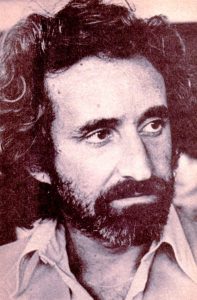
We present this work in honor of the Day of Reconciliation.
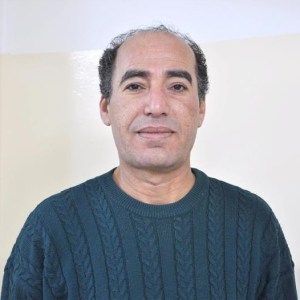
Breyten Breytenbach South African b. 1939
in the night when everything was black burnt to a cross of ash on the blind glass and the dog’s bark a dark kite blowing away in darkness to where the moon tears like the keel of a sinking boat I dreamt my language
the title page smeared black with signs now undecipherable raw and inside the book I saw my reflection standing there three times
first among dead friends with mottled grieving faces like dogs staring directly into the blind window while their thoughts like empty glasses turning in the hands and I was there thin neck and moustache our poems are slaves each with a full wave feathers proudly on the head
then in a tableau at departure in the garden of the night with cape of white hair my mother an aged virgin in my embrace and further back in the folds of memory all other trusteds as torches of forgetting
were I now the prophet sent to spy if there is life in this world or the senseless exile returning to say our language was a footnote under the illegible page history?
a last time on a bench in the empty garden of a madhouse of toothless ageds as skeletons with little bitter flesh swaddled in the blanket and wild tuft and eyes blind marbles
bow and mutter bow and mutter many words oh many words but only the whispering of dead slaves but not enough to groove or make boat and outside of the book beyond all listening the bark and the wind and the ash of the moon in dark water





 Poets Corner