Tomorrow at Dawn

We present this work in honor of the poet’s 220th birthday.
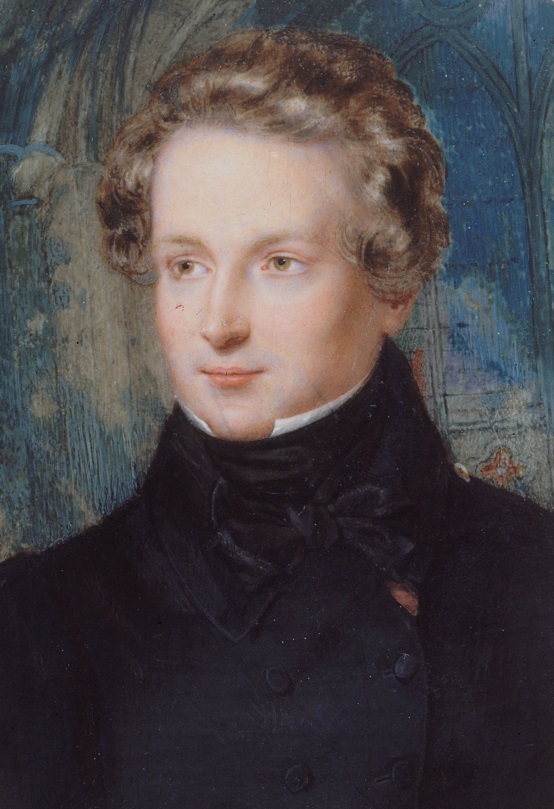
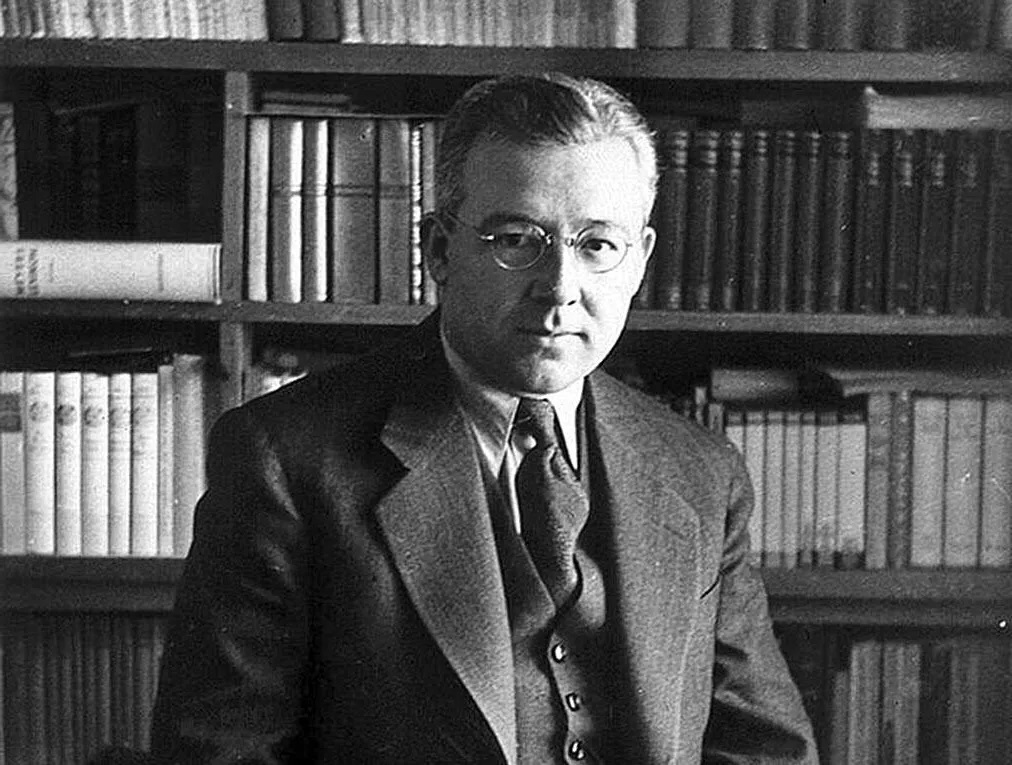
02-26 Hugo
Victor Hugo
French
1802 – 1885

Tomorrow, at dawn, when the countryside brightens,
I will depart. You see, I know that you wait for me.
I will go through the wood, I will go past the mountains.
I cannot remain far from you any longer.

I will walk, eyes set upon my thoughts,
Seeing nothing around me and hearing no sound,
Alone, unknown, back bent, hands crossed,
Sorrowful, and for me, day will be as night.

I will not watch the evening gold fall,
Nor the distant sails going down to Harfleur,
And, when I arrive, I will put on your grave
A bouquet of green holly and heather in bloom.
Days Do Not Pass

We present this work in honor of the poet’s 115th birthday.

02-25 Ali
Sabahattin Ali
Turkish
1907 – 1948


Flowers do not bloom here
Birds do not glide
Stars do not shine
Days do not pass

I pace the courtyard
Sometimes I sit and think
I see all kinds of dreams
Days do not pass, they do not

Say it’s spring outside
People wander around
Days fly by
Days do not pass, they do not

Old loves in my heart
Streams in my eyes
Your dream in the mirror cries
Days do not pass, they do not

A stranger sleeps next to me
Every word is bitter like poison
The strongest of all troubles
Days do not pass, they do not


Translation by Eda Savaseri

How Bare the Countryside!

We present this work in honor of the Russian holiday, Defense of the Fatherland Day.

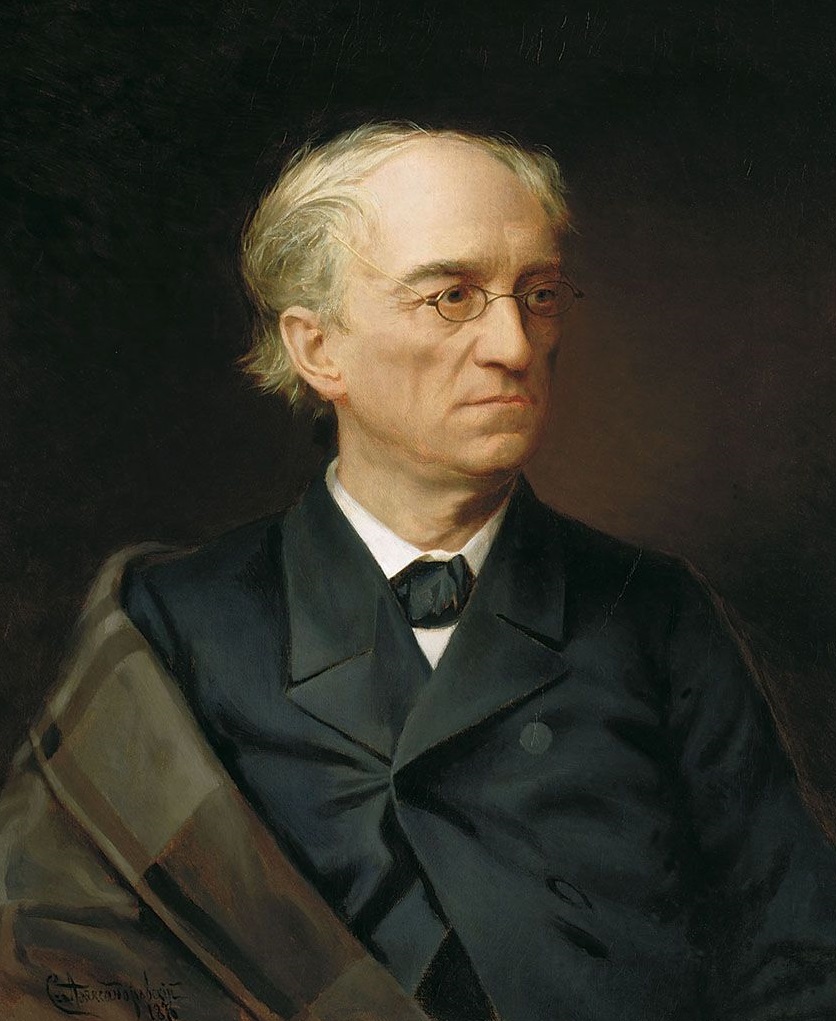
02-23 Tyutchev
Fyodor Tyutchev
Russian
1803 – 1873


How bare the countryside! What dearth
How stark the hamlets’ desolation…
Long-suffering country of my birth,
poor homeland of the Russian nation.

Never will the stranger’s gaze
look deeper to perceive or guess
what hidden light there is that plays
and shimmers through your nakedness.

In servant’s guise the King of Heaven,
beneath the cross in anguish bent,
has walked the length and breadth of Russia,
blessing her people as he went.


Translation by Avril Pyman

The Meeting of Sighs

We present this work in honor of the poet’s 150th birthday.

02-22 Neilson
John Shaw Neilson
Australian
1872 – 1942

Your voice was the rugged
old voice that I knew;
I gave the best grip of
my greeting to you.
I knew not of your lips—
you knew not of mine;
Of travel and travail
we gave not a sign.

We drank and we chorused
with quips in our eyes;
But under our song was
the meeting of sighs.
I knew not of your lips—
you knew not of mine;
For lean years and lone years
had watered the wine.

Lullaby

We present this work in honor of the poet’s 115th birthday.

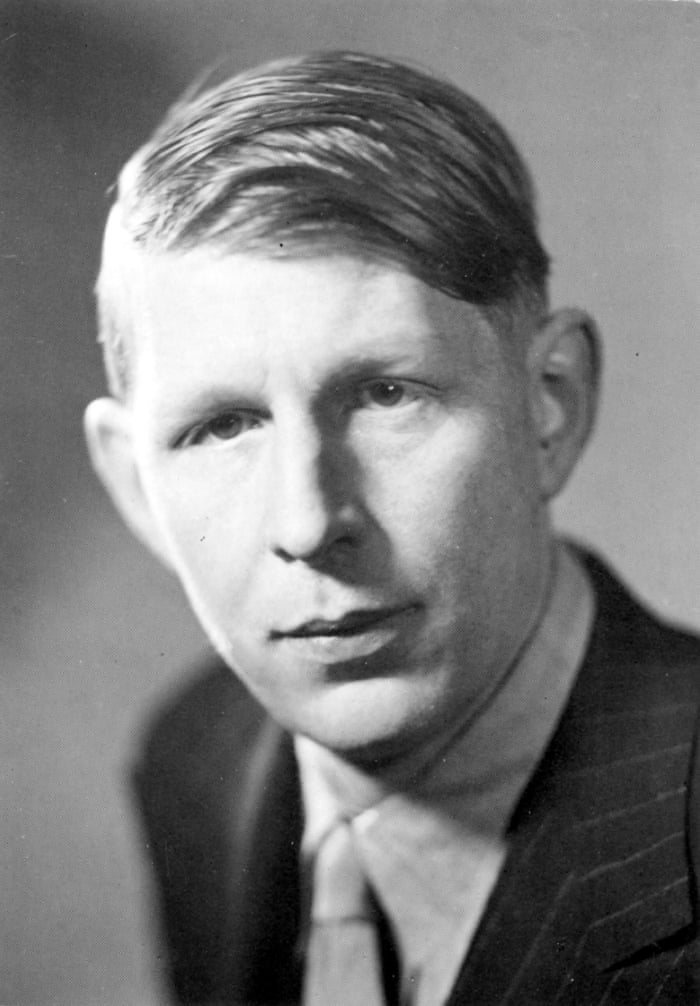
02-21 Auden
W.H. Auden
English
1907 – 1973

Lay your sleeping head, my love,
Human on my faithless arm;
Time and fevers burn away
Individual beauty from
Thoughtful children, and the grave
Proves the child ephemeral:
But in my arms till break of day
Let the living creature lie,
Mortal, guilty, but to me
The entirely beautiful.

Soul and body have no bounds:
To lovers as they lie upon
Her tolerant enchanted slope
In their ordinary swoon,
Grave the vision Venus sends
Of supernatural sympathy,
Universal love and hope;
While an abstract insight wakes
Among the glaciers and the rocks
The hermit’s carnal ecstasy.

Certainty, fidelity
On the stroke of midnight pass
Like vibrations of a bell,
And fashionable madmen raise
Their pedantic boring cry:
Every farthing of the cost,
All the dreaded cards foretell,
Shall be paid, but from this night
Not a whisper, not a thought,
Not a kiss nor look be lost.

Beauty, midnight, vision dies:
Let the winds of dawn that blow
Softly round your dreaming head
Such a day of welcome show
Eye and knocking heart may bless,
Find the mortal world enough;
Noons of dryness find you fed
By the involuntary powers,
Nights of insult let you pass
Watched by every human love.

The Cripples

We present this work in honor of the 50th anniversary of the poet’s death.

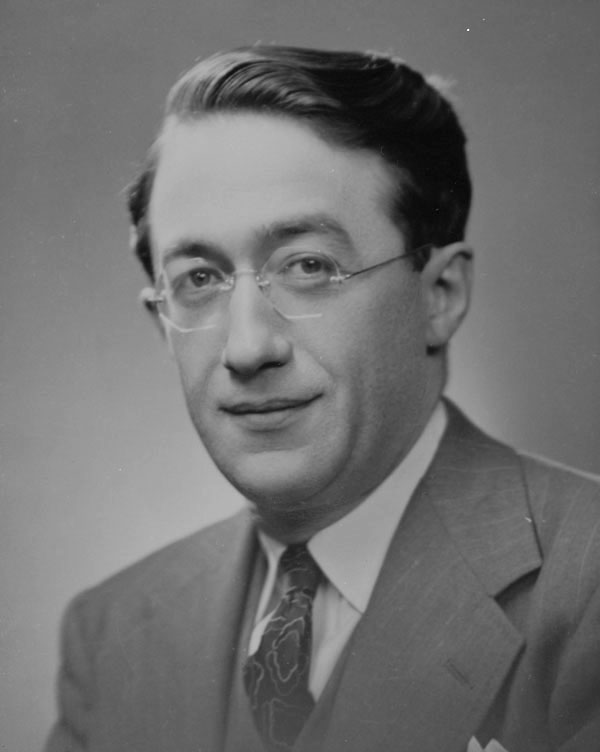
z 02-20-22
A.M. Klein
Canadian
1909 – 1972

Bundled their bones, upon ninety-nine stairs –
St. Joseph’s ladder – the knobs of penance come,
the folded cripples counting up their prayers.

How rich, how plumped with blessing is that dome!
The gourd of Brother André! His sweet days
rounded! Fulfilled! Honeyed to honeycomb!

Whither the heads, upon the ninety-nine trays,
the palsied, who double their aspen selves, the lame,
the unsymmetrical, the dead-limbed, raise

their look, their hope, and the idée fixe of their maim,
knowing their surgery’s in the heart. Are not
the ransomed crutches worshipers? And the fame

of the brother sanatorial to this plot?
God mindful of the sparrows on the stairs?
Oh, to their faith this mountain of stairs, is not!

They know, they know, that suddenly their cares
and orthopedics will fall from them, and they
will stand whole again.
Roll empty away, wheelchairs,
and crutches, without armpits, hop away!

And I who in my own faith once had faith like this,

but now have not, am crippled more than they.

Pain

We present this work in honor of the 70th anniversary of the poet’s death.

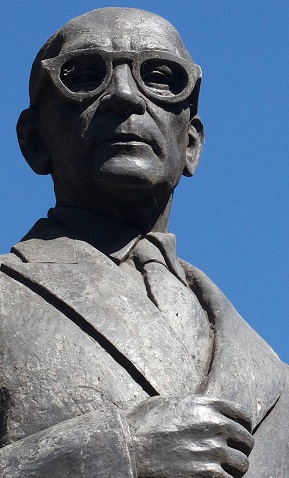
z 02-19-22
Enrique Gonzalez Martinez
Mexican
1871 – 1952


Its gaze filled my abyss, its gaze melted
into my being, became so mine that I
am doubtful if this breath of agony
is life still or hallucinated death.

The archangel came, cast his sword
upon the double laurel flourishing
in the sealed garden….And that day brought back
the shadow and I returned to my nothingness.

I thought the world, witnessing man’s appal,
would crumble, overwhelmed beneath the ruins
of the entire firmament crashing down.

But I saw the earth at peace, at peace the heavens,
the fields serene, limpid the running stream,
blue the mountain and the wind at rest.


Translation by Samuel Beckett

I Heard a Bird at Dawn

02-17 Stephens
James Stephens
Irish
1880 – 1950

I heard a bird at dawn
Singing sweetly on a tree,
That the dew was on the lawn,
And the wind was on the lea;
But I didn’t listen to him,
For he didn’t sing to me.

I didn’t listen to him,
For he didn’t sing to me
That the dew was on the lawn
And the wind was on the lea;
I was singing at the time
Just as prettily as he.

I was singing all the time,
Just a prettily as he,
About the dew upon the lawn
And the wind upon the lea;
So I didn’t listen to him
As he sang upon a tree.

The Nymph’s Reply to the Shepherd

02-15 Raleigh
Sir Walter Raleigh
English
1554 – 1618

If all the world and love were young,
And truth in every Shepherd’s tongue,
These pretty pleasures might me move,
To live with thee, and be thy love.

Time drives the flocks from field to fold,
When Rivers rage and Rocks grow cold,
And Philomel becometh dumb,
The rest complains of cares to come.

The flowers do fade, and wanton fields,
To wayward winter reckoning yields,
A honey tongue, a heart of gall,
Is fancy’s spring, but sorrow’s fall.

Thy gowns, thy shoes, thy beds of Roses,
Thy cap, thy kirtle, and thy posies
Soon break, soon wither, soon forgotten:
In folly ripe, in reason rotten.

Thy belt of straw and Ivy buds,
The Coral clasps and amber studs,
All these in me no means can move
To come to thee and be thy love.

But could youth last, and love still breed,
Had joys no date, nor age no need,
Then these delights my mind might move

To live with thee, and be thy love.

The Passionate Shepherd to His Love

We present this work in honor of Valentine’s Day.

02-14 Marlowe
Christopher Marlowe
English
1564 – 1593

Come live with me and be my love,
And we will all the pleasures prove,
That Valleys, groves, hills, and fields,
Woods, or steepy mountain yields.

And we will sit upon the Rocks,
Seeing the Shepherds feed their flocks,
By shallow Rivers to whose falls
Melodious birds sing Madrigals.

And I will make thee beds of Roses
And a thousand fragrant posies,
A cap of flowers, and a kirtle
Embroidered all with leaves of Myrtle;

A gown made of the finest wool
Which from our pretty Lambs we pull;
Fair lined slippers for the cold,
With buckles of the purest gold;

A belt of straw and Ivy buds,
With Coral clasps and Amber studs:
And if these pleasures may thee move,
Come live with me, and be my love.

The Shepherds’ Swains shall dance and sing
For thy delight each May-morning:
If these delights thy mind may move,
Then live with me, and be my love.