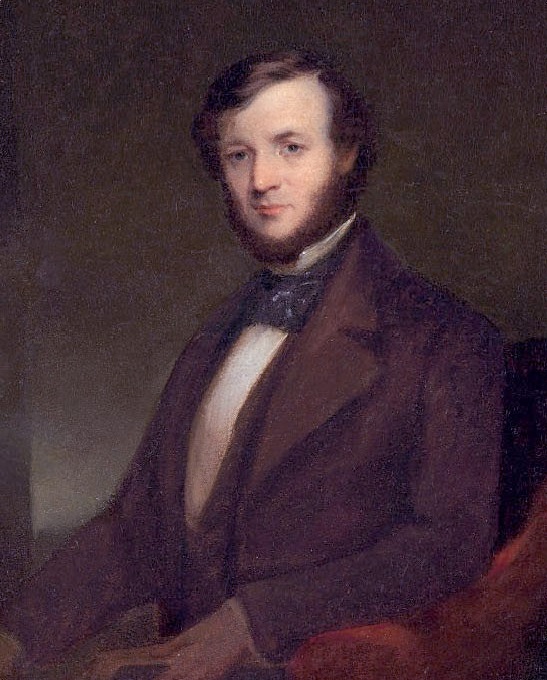
Buried Treasure

05-16 Magona
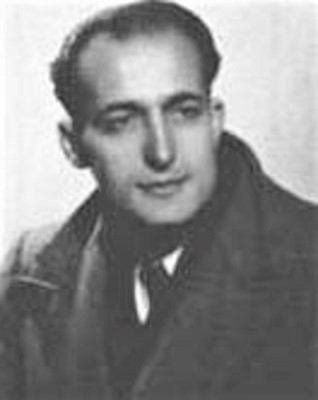
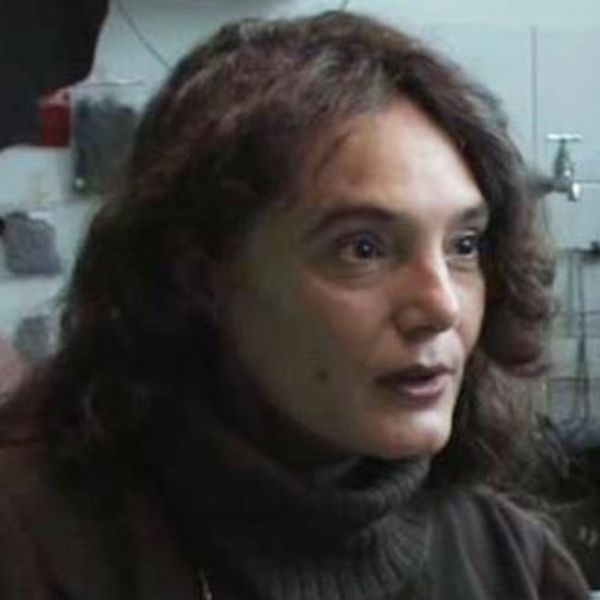
Sindiwe Magona
South African
b. 1943

Here lies, buried, precious treasure
The future of our beloved land
Pride of our fledgling nation
Our youth, our joy, our hope,
Now turned to sorrowing dust.

They were all young, but children, really
In the full flush of youth
Such promise for the hungry tomorrow
Blessings betrayed and all rules
Of nature turned upside down.

The girls gaily giggled
The young men, boys, really,
Whistled and winked as they strutted about
It was all such fun, such youthful fun
The words of parents paled beside.

The words of parents, mostly whispered;
And even that by but a few.
A whole nation looked on, but shirked duty
As the future swiftly withered and died.

They were in school, but the teachers taught nothing.
Some went to church, but the priests spoke little about daily living;
Pie in the sky and peace and bliss hereafter, their only platform.

Gone too, the wisdom of the Old
Foresaken, the knowledge of yesteryear
That knew and accepted what is only natural
Understood the folly that would block the swells of a surging river
And knew how all children needed mothers and fathers;
Embraced all thildren; charged every man and woman with their nurturing.

‘It takes a village’, belatedly, we now say; at last remembering
Faded lessons, traditions hastily discarded in blind pursuit
Of progress, of fashion, of assimilation. Now, finally seeing
How we ran open-armed, embracing our annihilation.
Now, sorrow jogs memory and we join empty hands
As we frantically try once more to guide,
To lead the new generation as before,
To show the way to the House of Adulthood
Leaving none behind, losing few as can be.

Eye turned back to a time long forgotten
When the measure of a man
Was not the fatness of his pocket
But his deeds of glory; shunning abomination.
When neighbour trusted neighbour; his safety secure at his presence
His home, his folk, his property – all sovereign
His neighbour, his best protection against all
His children, insurance against old age and infirmity.
But that was before the nation learnt to bury all its children;
See its morrow fade, its treasure interred;
The youth, its pride, its hope and joy obliterated.
The nation’s tomorrow, no more – ah, sad day,
When we buried our most precious treasures!
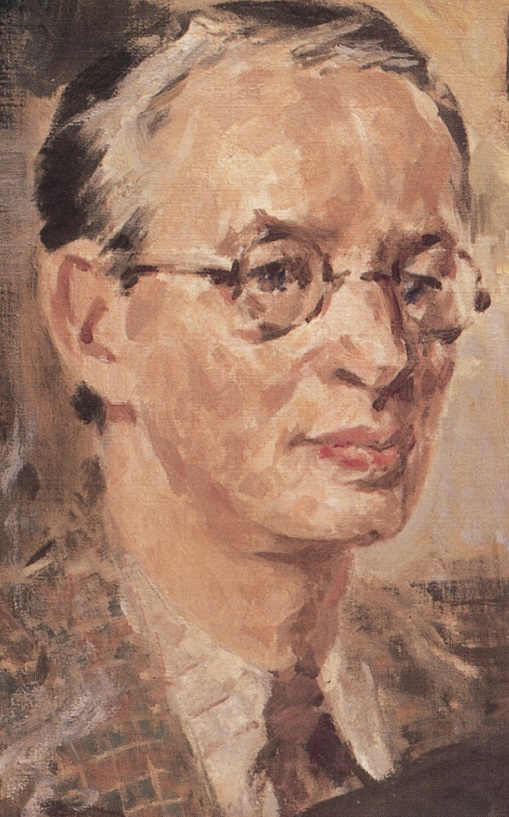
To the Old Gods

We present this work in honor of the poet’s 135th birthday.

05-15 Muir
Edwin Muir
Scots
1887 – 1959

Old gods and goddesses who have lived so long
Through time and never found eternity,
Fettered by wasting wood and hollowing hill,
You should have fled our ever-dying song,
The mound, the well, and the green trysting tree.
They have forgotten, yet you linger still,
Goddess of caverned breast and channeled brow,
And cheeks slow hollowed by millennial tears,
Forests of autumns fading in your eyes,
Eternity marvels at your counted years
And kingdoms lost in time, and wonders how
There could be thoughts so bountiful and wise
As yours beneath the ever-breaking bough,
And vast compassion curving like the skies.

The House

05-14 Bernal
Jenny Bernal
Colombian
b. 1987


Welcome to this house
your home,
here you breathe the bitter cold
of that absent breath.
Welcome to this house
of anger and tears,
indeed you can sit
where your footsteps run out
where your skin dries.
The house has changed a bit
—you’ll forgive me—
but I’ve avoided painting it
so that the cracks of time
will give it a little bit of that familiar tinge.

It is the same house, don’t be afraid,
that same one that we built some time ago,
waiting to be alone enough
to live in it.


Translation by Anastasia Ramjag

To One Unnamed

06-03 Li
Li Shangyin
Chinese
813 – 858


Time was, long before I met her,
but longer still, since we parted,
The east wind is powerless, for it has come
and a hundred flowers are gone,
And the silk-worms of spring will spin until they die
And every night candles will weep their wicks away.
In the morning mirror she sees her temple hair
changing the color of clouds
Chanting poems in the chill of moonlight.
Oh, it is not so very far to Penglai
O blue-birds listen, bring me what she says.

Rosewater

We present this work in honor of the 30th anniversary of the poet’s death.

05-12 Gatsos
Nikos Gatsos
Greek
1911 – 1992


When you reach that other world, don’t become a cloud,
don’t become a cloud, and the bitter star of dawn,
so that your mother knows you, waiting at her door.
Take a wand of willow, a root of rosemary,
a root of rosemary, and be a moonlit coolness
falling in the midnight in your thirsting courtyard.
I gave you rosewater to drink, you gave me poison,
eaglet of the frost, hawk of the desert.


Translation by Jon Corelis

Heavy Are My Verses

We present this work in honor of the 20th anniversary of the poet’s death.

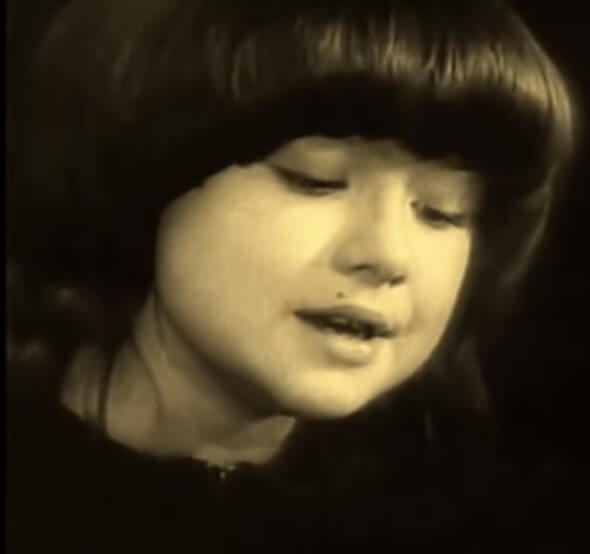
05-11 Turbina
Nika Turbina
Russian
1974 – 2002

Heavy are my verses—
Stones uphill.
I will carry them up to the crag,
The resting place.
I will fall face down in the weeds,
Tears will not do.
I will rend my strophe—
The verse will burst out crying.
Pain cuts into my palm—
Nettles!
The day’s bitter taste turns
All to words.

Seasons

05-10 Fathy
Safaa Fathy
Egyptian
b. 1958


There was a month I called May. When I buried it in papers, passion streaming down,
flooding the tiles of the rooms.
Herds of gazelles searching for mercy lap it up…and I wander about in search of a
knife
to sharpen against my cheekbones, as I turn the pages of these moments.
You are a stranger to me, and your eyes are the foam of distances running like rivers between us.
Don’t ask me about my evaporating grief; perhaps it has become salt with which to
doctor wounds,
or maybe seeds I can scatter across the floor, to absorb the words that creep there in
search of a story.
Perhaps my sorrow was a bedsheet that couldn’t cover its old bed.
Its only pretext was to gaze at the sky and snatch up stars.
Thus, with no trace of treason.
We were sitting on the couch casting glances into the horizon, arrows of light years.
Waiting, we dified the hours.
Our revolt…ashamed to wear a mask, its savage visage.
Our feet stalked insects to crush them, while they flaunted themselves like naked words
Determined to gasp their last breaths in our sight.
Between us there are also silken buds, fluttering spring butterflies.
Their clusters are like the sun’s bashfulness when it gathers the girl’s milk teeth,
causing the seasons, and among them you, cunning Spring.
Is what’s between us the empire of Ahmad Taha?
Or those gleaming golden circles, panting behind steely eyes?
I wish I were a leaf, with cells in rows.
My splendor, seasons borne by sailboats. My ending the winter, when geckos hide away to dream of new plants growing.
From your bandaged wounds, in salt and fog,
soaring across riverbanks the morning of erupting promises,
running from shore to quay like a short story collapsing breathless on the streets,
Does anyone forbid fabrication?

Or might those cities that swallow fog conjure the word away too?
The same palm outstretched to God,
the same bare feet.
The same eyes, sparkling with poetry’s delight.
Is this why you tremble, dreading the city’s pages?
Is this why you left the streets, to seek refuge in the nightmares of years?
Will you take comfort in the disgrace of seasons,
and the vagrancy of lone words
on the sidewalks of meaninglessness?


Translation by S.V. Atalia

Ground Glass

We present this work in honor of the Russian holiday, Victory Day.

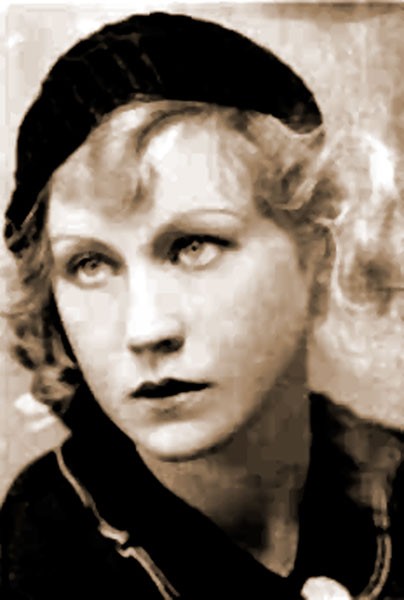
05-09 Odoyevtseva
Irina Odoyevtseva
Russian
1895 – 1990


A soldier came back home one day
acounting all he’d won:
“We’re sure to eat our fill tonight —
us and the little ones!

“There’s seven grand! A real day’s haul!
I’ve had some luck I’d say!
Into the daily salt I mixed
some fine ground glass today.”

“Dear God! Dear God!” his wife cried out
“You killer! Akh! You beast!
That’s worse than robbery, you know,
they’ll die by morn at least!”

“We’re born to die!” the soldier said,
“I do not wish them ill!
Go light a candle at the church
this evening, if you will.”

He ate, then went to “Paradise” —
his pub’s name formerly.
He talked of communism awhile
and drank Soviet tea.

Back at home he soon slept fast,
around him all was still.
Till midnight when a raven cried
beneath the windowsill.

“Oh, woe to us!” his wife sighed deep:
“There’s trouble on the way!
A raven never caws at night
for nothing, so they say!”

But soon the second rooster crowed,
the soldier, foul of mood,
refused to go to “Paradise”:
to clients he was rude.

‘Twas midnight at the soldier’s home,
and all was dark once more,
the knock of wings from carrion crows
was heard outside his door.

They jumped and squawked upon the roof,
his kiddies soon awoke,
his wife sighed heavily all night
while he slept like an oak.

At dawn he rose, before them all,
his mood was foul once more.
His wife forgiveness for him begged,
her brow against the floor.

“Why don’t you visit your hometown
a day or two!” said he.
“I’m sick to hell of that damned glass —
’twill be the death of me!”

He soon wound up his gramophone
and sat down very near.
Alas! He heard a funeral knell
that made him shake with fear.

A ragged team of seven mares
draw seven coffins past.
A teary choir of women sing:
“Repose with God at last!”

“Who are you mourning, Konstantin?”
“My Masha dear!” he cried.
“I went to a party Thursday night,
by Friday morn she’d died!”

“Our Foma died, and so did Klim,
and Kolya’s son-in-law.
A stranger illness in my life
I swear I never saw!”

A waning moon was on the rise,
the soldier went to bed.
A double bed, all cold and firm,
a coffin for the dead!

At once appeared a corvine priest
(or did he dream it all?).
Behind him seven ravens held
aloft a lone, glass pall.

They entered, stood along the wall,
the darkness weighed a ton.
“Begone, you demons! 1 won’t sell
ground glass to anyone!”

Too late! The moan died on his lips,
till seven croaked the priest.
Into the bier on raven wings
was rendered the deceased.

Away they took him to the place
where seven asp trees grow,
fed by the long-dead waters from
a quagmire far below.


Translation by Bradley Jordan

Mother

We present this work in honor of Mother’s Day.

05-08 Ridge
Lola Ridge
Irish
1873 – 1941

Your love was like moonlight
turning harsh things to beauty,
so that little wry souls
reflecting each other obliquely
as in cracked mirrors…
beheld in your luminous spirit
their own reflection,
transfigured as in a shining stream,
and loved you for what they are not.

You are less an image in my mind
than a luster
I see you in gleams
pale as star-light on a gray wall…
evanescent as the reflection of a white swan
shimmering in broken water.

Porphyria’s Lover

We present this work in honor of the poet’s 210th birthday.

05-07 Browning
Robert Browning
English
1812 – 1889

The rain set early in to-night,
The sullen wind was soon awake,
It tore the elm-tops down for spite,
And did its worst to vex the lake:
I listened with heart fit to break.

When glided in Porphyria; straight
She shut the cold out and the storm,
And kneeled and made the cheerless grate
Blaze up, and all the cottage warm;
Which done, she rose, and from her form

Withdrew the dripping cloak and shawl,
And laid her soiled gloves by, untied
Her hat and let the damp hair fall,
And, last, she sat down by my side
And called me. When no voice replied,

She put my arm about her waist,
And made her smooth white shoulder bare,
And all her yellow hair displaced,
And, stooping, made my cheek lie there,
And spread, o’er all, her yellow hair,

Murmuring how she loved me — she
Too weak, for all her heart’s endeavour,
To set its struggling passion free
From pride, and vainer ties dissever,
And give herself to me for ever.

But passion sometimes would prevail,
Nor could to-night’s gay feast restrain
A sudden thought of one so pale
For love of her, and all in vain:
So, she was come through wind and rain.

Be sure I looked up at her eyes
Happy and proud; at last I knew
Porphyria worshipped me; surprise
Made my heart swell, and still it grew
While I debated what to do.

That moment she was mine, mine, fair,
Perfectly pure and good: I found
A thing to do, and all her hair
In one long yellow string I wound
Three times her little throat around,

And strangled her. No pain felt she;
I am quite sure she felt no pain.
As a shut bud that holds a bee,
I warily oped her lids: again
Laughed the blue eyes without a stain.

And I untightened next the tress
About her neck; her cheek once more
Blushed bright beneath my burning kiss:
I propped her head up as before,
Only, this time my shoulder bore

Her head, which droops upon it still:
The smiling rosy little head,
So glad it has its utmost will,
That all it scorned at once is fled,
And I, its love, am gained instead!

Porphyria’s love: she guessed not how
Her darling one wish would be heard.
And thus we sit together now,
And all night long we have not stirred,
And yet God has not said a word!