We present this work in honor of the poet’s 465th birthday.
Abdul Rahim Kahn-I-Khana Indian 1556 – 1627
What good is this petty love of exchanging little gifts? Wager your life on love, and see if you lose or win.
When the fish is cut up, it’s washed in water; eat it and you thirst for water. How great is the fish’s love for its mate, that even when dead it yearns for water.
Some burn and then go out, and some never burn at all. But those who burn with love go out and then flare again.
A sugarcane is full of juice all over. Except where there’s a knot, and that’s how love is.
The path of love is arduous, not everyone makes it to the end. You mount a horse made of wax and ride through a blazing fire.
We present this work in honor of the South African holiday, Day of Reconciliation.
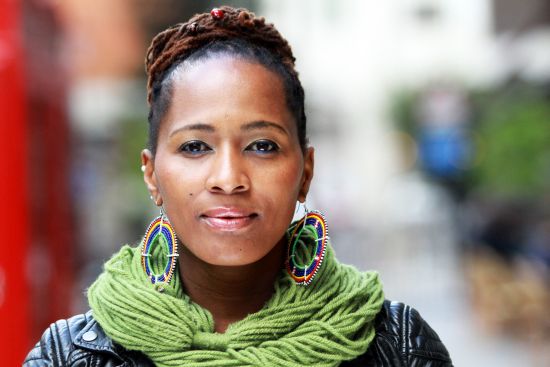
Napo Masheane South African 21st century
God grafted the lines of the universe Making the sunshine At the birth of every being. The fire that lights, Through which new rays of life breaks, A moment of time, Where our new voices collectively Must heal the diseased land-souls, Liking the aged and the unborn. Turning our childless grave yards Into laughing homes, Where our people are empowered and developed
The chains of our past Should not trouble us forever, But seal the lips of slavery caves. Our people should stop To live under the tyranny of silence, Turn deserted lands into farm fields. We must sow the seeds of UBUNTU Building and shaping our future on firm grounds, So that our royal languages can echo proverbs, At a place where our ancestors walked. Let us help the poor and the lame To open the closed doors So that they can dress our hearts differently. Let us move earth and assemble our villages So that our tears can become raindrops For the sea of education For the rivers of prosperity For the lakes of democracy
Our voices should write new poetic bibles And prose of golden beauty, Casting away HIV/AIDS- unemployment and felony Let us use our voices to fashion the old Build strong bridges of awareness Bridges that will take us far beyond The skyline of time. Bridges that will transform our core from Dance floors of misconception As we re-create who we really are.
Let us dress our behaviours like monks Allowing our offspring to pick fruits From the highest trees of spirituality So that they can destroy the walls of orphan villages Giving each home a name
We are pillars of a proud vote Bound by a period in which Every being must speak colour sounds Of togetherness. Let our voices find ways In which the webs of life are woven
A place where mothers cannot escape The messages of their own bodies. Let’s allow our fathers’ spirits To stretch and match science, history and politics Let our unique voices teach us How to dig, plant, water our seeds So that we can buy our children’s smiles. Let our words call peace As ancient drums still our voices Sending us to a place Where the love of UNITY lives To draw our people as a unit, Let our SUNRISE voices shout For we know where it all begun We know where we are We know where we are heading
The sparks of the sun Opened the sealed envelop of my words They, tied in endless riddles Are perused out to the world by my faith For God grafted the lines of the universe Making the sun shine At the birth of my soul. The fire that lights, Through which new rays of life break, A moment of time, When our voice together Must weave the diseased land-souls Liking the age and the unborn. Turning our childless grave yards into laughing homes Where our people can speak the same Let our SUNRISE voices shout
We present this work in honor of the poet’s 230th birthday.
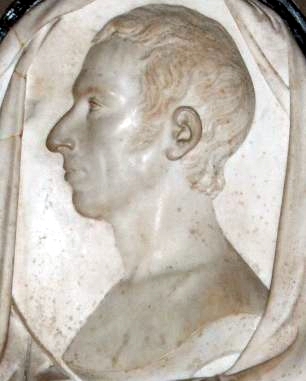
Charles Wolfe
Irish
1791 – 1823
Oh say not that my heart is cold To aught that once could warm it — That Nature’s Form so dear of old No more has power to charm it; Or that th’ ungenerous world can chill One glow of fond emotion For those who made it dearer still, And shared my wild devotion.
Still oft those solemn scenes I view In rapt and dreamy sadness; Oft look on those who loved them too With Fancy’s idle gladness; Again I longed to view the light In Nature’s features glowing; Again to tread the mountain’s height, And taste the soul’s o’erflowing.
Stern Duty rose, and frowning flung His leaden chain around me; With iron look and sullen tongue He muttered as he bound me — ‘The mountain breeze, the boundless heaven, Unfit for toil the creature; These for the free alone were given, — But what have slaves with Nature?’
After my death mourn me this way: ‘There was a man-and see: he is no more; before his time this man died and his life’s song in mid-bar stopped; and oh, it is sad! One more song he had and now the song is gone for good, gone for good!
And it is very sad!-a harp too he had a living being and murmurous and the poet in his words in it all of his heart’s secret revealed, and all the strings his hand gave breath but one secret his heart kept hid, round and round his fingers played, and one string stayed mute, mute to this day!
And it is sad, very sad! All of her days this string moved, mute she moved, mute she shook, for her song, her beloved redeemer she yearned, thirsted, grieved and longed as a heart pines for its intended: and though he hesitated each day she waited and in a secret moan begged for him to come, and he hesitated and never came, never came!
And great, great is the pain! There was a man-and see: he is no more, and his life’s song in mid-bar stopped, one more song he had to go, and now the song is gone for good, gone for good!
In honor of the Day of the Virgin of Guadalupe, we present this work by one of modern Mexico’s most thoughtfully spiritual poets.
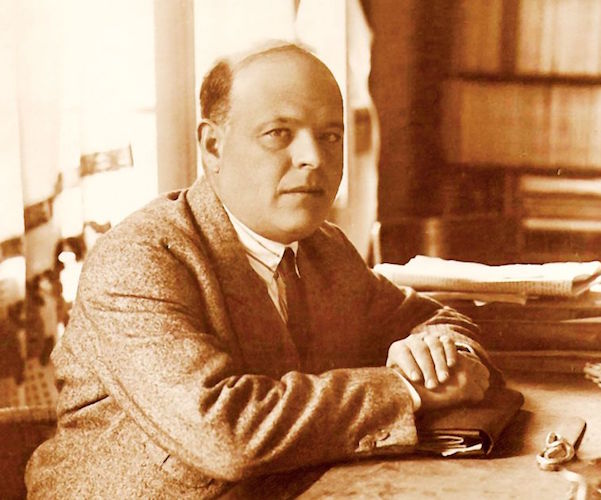
Amado Nervo Mexican 1870 – 1919
You who think I don’t believe when we two feud do not imagine my desire, my thirst, my hunger for God;
nor have you heard my desolate cry that echoes through the inner place of shadow, calling on the infinite;
nor do you see my thought laboring in ideal genesis, frequently in distress with throes of light.
If my sterile spirit could own your power of birth, by now — I would have columned heaven to perfect your earth.
But tell me, what power stows within a flagless soul to carry anywhere at all its torturer — who knows? —
that keeps a fast from faith, and with valiant integrity goes on asking every depth and every darkness, why?
Notwithstanding, I am shielded by my thirst for inquiry — my pangs for God, cavernous and unheard; and there is more love in my unsated doubt than in your tepid certainty.
We present this work in honor of the poet’s 105th birthday.
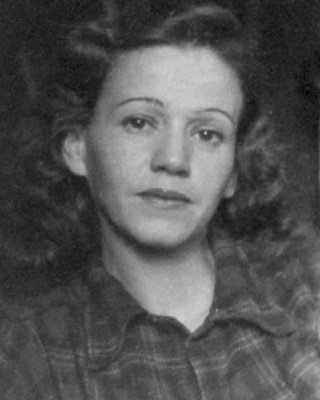
Elena Garro Mexican 1916 – 1968
There where we find the lost There where what was had goes There where the dead are dead and there are days when they revive and repeat the actions prior to their death There where cried tears are cried again without a cry and where intangible lips seek each other and are found already without a body There where we are suddenly children and we have a house and where cities are photographs and their monuments reside in the air and there are pieces of gardens attached to some eyes There where the trees are in the void where there are lovers and relatives mixed with familiar objects There where celebrations come after mourning births after deaths rainy days after sunny days There, lonely, without time, without childhood, comet without origin, a foreigner to the landscape strolling among strangers There you reside, where memory resides.
Translation by Adele Lonas, Olatz Pascariu, Silvia Soler Gallego, and Francisco Leal
Ye Children of Man! whose life is a span, Protracted with sorrow from day to day, Naked and featherless, feeble and querulous, Sickly calamitous creatures of clay! Attend to the words of the Sovereign Birds, (Immortal, illustrious, lords of the air), Who survey from on high, with a merciful eye, Your struggles of misery, labor, and care. Whence you may learn and clearly discern Such truths as attract your inquisitive turn; Which is busied of late with a mighty debate, A profound speculation about the creation, And organical life, and chaotical strife, With various notions of heavenly motions, And rivers and oceans, and valleys and mountains, And sources of fountains, and meteors on high, And stars in the sky… We propose by and by, (If you’ll listen and hear,) to make it all clear. And Prodicus henceforth shall pass for a dunce, When his doubts are explained and expounded at once.
Our antiquity proved, it remains to be shown That Love is our author and master alone; Like him we can ramble, and gambol and fly O’er ocean and earth, and aloft to the sky; And all the world over, we’re friends to the lover, And when other means fail, we are found to prevail, When a Peacock or Pheasant is sent as a present. All lessons of primary daily concern You have learnt from the Birds, and continue to learn, Your best benefactors and early instructors; We give you the warning of seasons returning. When the Cranes are arranged, and muster afloat In the middle air, with a creaking note, Steering away to the Libyan sands, Then careful farmers sow their lands; The crazy vessel is hauled ashore, The sail, the ropes, the rudder and oar Are all unshipped and housed in store. The shepherd is warned, by the Kite reappearing, To muster his flock, and be ready for shearing. You quit your old cloak at the Swallow’s behest, In assurance of summer, and purchase a vest. For Delphi, for Ammon, Dodona, in fine For every oracular temple and shrine, The Birds are a substitute equal and fair, For on us you depend, and to us you repair For counsel and aid when a marriage is made, A purchase, a bargain, a venture in trade: Unlucky or lucky, whatever has struck ye, An ox or an ass that may happen to pass, A voice in the street, or a slave that you meet, A name or a word by chance overheard, If you deem it an omen, you call it a Bird; And if birds are your omens, it clearly will follow That birds are a proper prophetic Apollo.
Whose name will sound among the fields? Whose battle-cries will grind the grain? Once, learned men and layfolk both swore Basque and shouted English oaths: “Help, Holyhead!” “Saint George, to me!” were then in fashion, for we feared the noble deeds their troops had done. A new language always comes.
After those two, Breton displaced the Basque and English from our lips. Their fame exploded! No one clung to words outworn, outmoded songs, and all you heard was, “By God’s grace!” from every father and his son. The mad spoke Breton, and the dumb. A new language always comes.
Forgotten now, no longer good, Breton’s found peace with last year’s coins. We only speak Burgundian! “No god for me” — all in one voice. You might well ask, which, of those four, is worth the ransom, at this price. I’ll shut up now: my song is sung. A new language always comes.
Prince, which people will have won the “title,” “name,” or “lawful right” to grind the grain today? Tonight? A new language always comes.






 Poets Corner